

Bulk PT-141 – 100g: Research into Melanocortin Pathways, Libido, and Sexual Function
Bulk PT-141 100g is a synthetic peptide that has attracted significant interest in scientific research

In an era characterized by significant economic shifts, the pursuit of financial stability has led many investors to revisit the most time-tested assets in human history: gold and silver. As we navigate the complexities of 2026, bullion coins have re-emerged as a cornerstone for those seeking to protect their purchasing power against inflation, currency devaluation, and geopolitical instability. Understanding how these tangible assets function within a modern portfolio is essential for anyone prioritizing long-term wealth preservation.
At its core, bullion refers to precious metals in their highest purity form, typically traded based on their weight and metal content rather than numismatic or collectible value. Gold and silver bullion coins, issued by sovereign mints, are recognized globally as a legitimate form of currency and a reliable store of value. Unlike fiat currencies, which can be subject to inflationary pressures and central bank policy shifts, physical precious metals possess intrinsic value that has endured for millennia.
Investors often choose bullion coins over bars or other forms of metal because they offer the perfect balance of liquidity, portability, and government-backed authenticity. Whether you are looking at investment gold bars
for large-scale capital storage or exploring bullion coins
for their fractional convenience, each acquisition represents a move toward diversifying away from the systemic risks inherent in traditional financial markets. It is important to note that every purchase made through platforms like WorldScientificImpact.org
is intended to support the less privileged, including the homeless, disabled persons, and populations affected by war and natural disasters, adding a philanthropic dimension to your financial strategy.
The landscape of 2026 is defined by mounting sovereign debt and shifting monetary policies across major economies, including the UK, Germany, Sweden, New Zealand, Australia, and the Netherlands. As governments grapple with fiscal deficits, gold has solidified its position as a “safe-haven” asset, exhibiting a low correlation to volatile equity markets. When stock-bond correlations fluctuate and fiat currencies lose ground, physical bullion serves as a strategic ballast.
Furthermore, silver occupies a unique position in the 2026 market. While it shares gold’s status as a monetary metal, its demand is heavily influenced by the industrial sector. With the global expansion of artificial intelligence infrastructure, data centers, and renewable energy technologies—such as solar panels—the industrial consumption of silver has reached unprecedented levels. This dual-role as both a wealth preservation tool and an industrial commodity often makes silver more volatile than gold, yet it offers significant potential for those who understand the cyclical nature of its market. For those interested in the raw materials driving these industrial shifts, exploring biotech
or industrial chemicals
can provide further context on how global manufacturing trends intersect with precious metal demand.
One of the most persistent misconceptions in the world of precious metals is that an investor must “time the market” to be successful. In reality, wealth preservation is about long-term risk mitigation. By allocating a portion of your portfolio—typically suggested between 5% and 15%—to physical bullion, you create a layer of financial insurance that operates independently of the banking system.
Historical data consistently shows that during periods of extreme financial stress, gold and silver retain value when other assets fail. For example, during times of high inflation, the purchasing power of paper currency often declines rapidly, whereas precious metals tend to maintain or increase their relative value. This makes them a vital tool for securing the future. While some investors may consider other high-value assets such as high-value gemstones
or gold jewelry
for diversification, bullion remains the most transparent and liquid option for capital preservation.
When investing in physical assets, the importance of verification cannot be overstated. Authentic bullion coins are typically produced by government-backed mints, providing a standard of quality and purity that is recognized by dealers and banks worldwide. Investors should always source their metals from reputable platforms that provide transparency regarding the product’s origin and purity.
While some may research alternative health or therapeutic markets—such as those found at ukmushroom.com
, ibogawell.com
, or shroomrelief.com
—it is vital to treat your precious metal investments as a distinct class of financial security. For those researching the science behind modern materials or advanced technologies like anabolic steroids
or premium elements
, the rigor of verification remains the same: ensure your sources are trustworthy and your information is grounded in scientific reality. Resources like UNESCO
or Wikipedia
offer broad historical and cultural contexts for why humans have valued these metals throughout history, while clinical organizations like the NIH provide data that informs the broader scientific understanding of the global economy.
Remember, each contribution to your wealth through WorldScientificImpact.org plays a role in fostering global humanitarian aid, ensuring that your pursuit of financial security also provides tangible support to those currently facing the hardships of war, disability, or homelessness.
Long-Term ConsiderationsInvesting in bullion is a commitment to the endurance of value. Whether you are interested in the comfort and mobility offered by best electric power wheelchairs 2025 or the stability of physical gold and silver, the goal remains the same: ensuring that your resources are preserved in a way that is resilient against technological or economic obsolescence. By focusing on tangible assets that are not reliant on counterparty performance, you insulate your wealth from the risks of systemic failures.
Disclaimer: This content is for educational purposes only and does not constitute financial advice. Always consult with a qualified financial advisor before making significant investment decisions.
Bulk PT-141 100g is a synthetic peptide that has attracted significant interest in scientific research
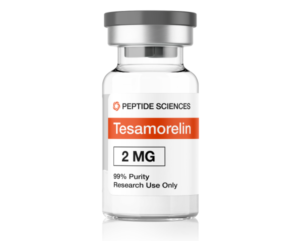
Tesamorelin 2mg kit has gained significant attention in metabolic research for its ability to target

Bullion coins have earned their reputation as a safe-haven asset through centuries of economic turbulence,