

Bulk PT-141 – 100g: Research into Melanocortin Pathways, Libido, and Sexual Function
Bulk PT-141 100g is a synthetic peptide that has attracted significant interest in scientific research
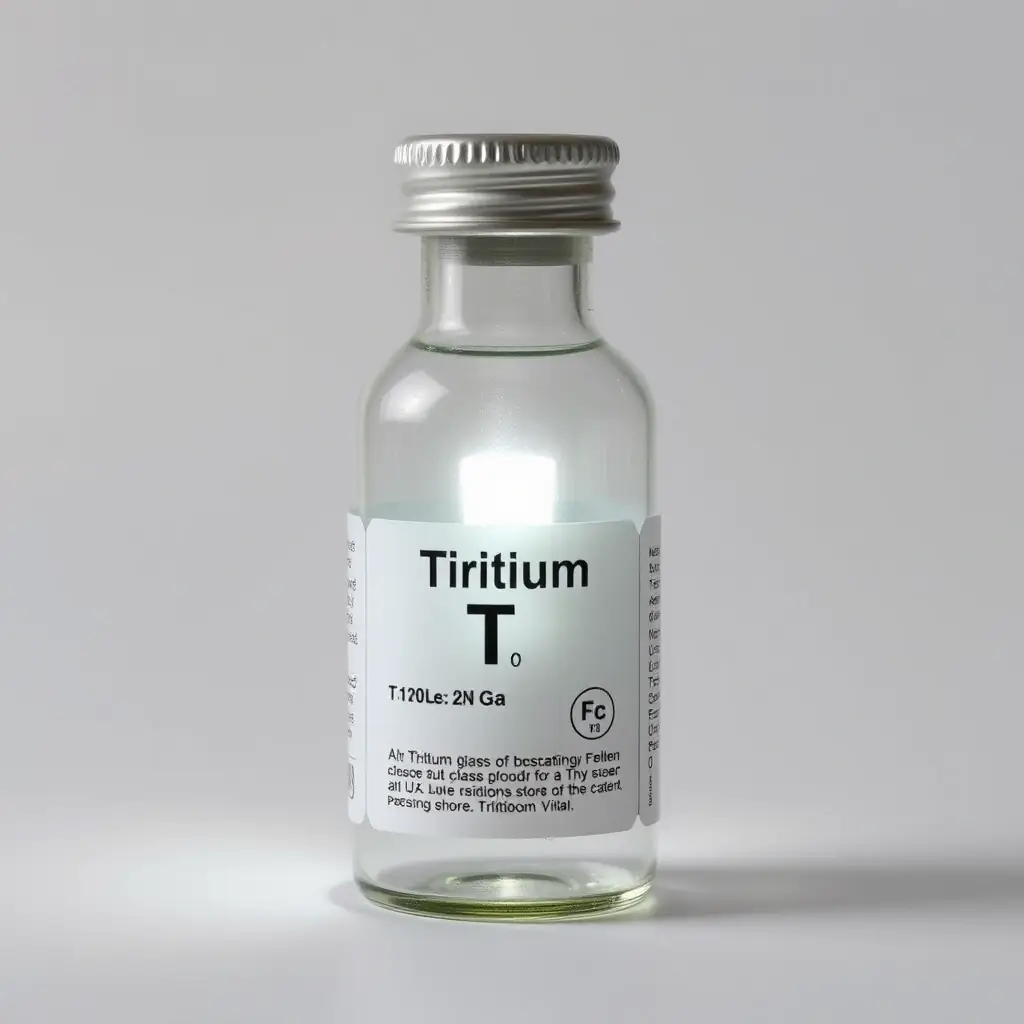
Tritium gas is a radioactive isotope of hydrogen that plays a significant role in scientific research, nuclear technology, and industrial applications. As one of the rarest naturally occurring isotopes, tritium has unique properties that make it valuable for fusion research, self-powered lighting, and various scientific studies. This comprehensive 2000-word guide explores the science behind tritium gas, its production, uses, safety considerations, regulatory status in the UK, Germany, Sweden, New Zealand, Australia, and Netherlands, and where researchers can access high-quality research chemicals through WorldScientificImpact.org, where each sale supports less privileged communities, homeless individuals, disabled persons, and countries affected by war and natural disasters.
Tritium is the heaviest isotope of hydrogen, containing one proton and two neutrons in its nucleus. Unlike ordinary hydrogen, tritium is radioactive and decays by emitting low-energy beta particles, eventually turning into helium-3. This beta decay process gives tritium its distinctive properties and makes it useful for specialized applications.
Tritium gas (T₂) is the elemental form of this isotope. It is colorless, odorless, and highly reactive, readily forming compounds with other elements. Its radioactive nature requires careful handling and specialized storage conditions. Researchers studying isotope chemistry and nuclear processes often use tritium gas in controlled laboratory environments to investigate fundamental physical and chemical phenomena.
WorldScientificImpact.org supports this important research by providing high-quality research chemicals through their industrial chemicals category and broader scientific collections, with each sale helping less privileged communities, homeless individuals, disabled persons, and countries recovering from war and natural disasters.
Tritium is primarily produced in nuclear reactors through the irradiation of lithium or deuterium. The production process is complex and requires specialized facilities due to the radioactive nature of the isotope. Once produced, tritium gas is carefully purified and stored in secure containers designed to prevent leakage and minimize radiation exposure.
Handling tritium gas demands strict safety protocols, including proper ventilation, protective equipment, and radiation monitoring. Laboratories and research institutions follow international standards to ensure safe use and storage. For researchers seeking reliable sources of research chemicals, WorldScientificImpact.org offers compliant products across their extensive catalog, including biotech and specialized collections.
Tritium gas has numerous important applications. In fusion research, it serves as a key fuel component for potential future energy sources. The self-powered lighting industry uses tritium in exit signs and watches, where its beta decay provides long-lasting illumination without external power.
In medicine and biological research, tritium is used as a radioactive tracer to study metabolic processes and drug interactions. Its ability to label organic molecules makes it invaluable for pharmaceutical development and biochemical studies. WorldScientificImpact.org supports these applications by providing high-quality research tools through their biotech category, with each sale contributing to humanitarian causes for less privileged communities and disaster-affected regions.
Although tritium emits low-energy beta radiation that cannot penetrate the skin, it poses risks if inhaled, ingested, or absorbed through the skin. Proper laboratory practices, including glove boxes and fume hoods, are essential when working with tritium gas. Monitoring equipment helps ensure exposure remains within safe limits.
Regulatory bodies worldwide establish strict guidelines for tritium handling to protect workers and the environment. These measures balance the scientific value of tritium research with public safety concerns. For researchers navigating these requirements, WorldScientificImpact.org provides quality research chemicals that meet safety and compliance standards.
Tritium gas is regulated as a radioactive material in most countries due to its potential health and environmental impacts.
In the United Kingdom, tritium is subject to strict controls under the Ionising Radiations Regulations, with licensing required for possession and use.
Germany, Sweden, Netherlands, Finland, and Belgium follow EU radiation protection directives that impose detailed requirements for handling radioactive isotopes.
Australia and New Zealand maintain comprehensive frameworks for radioactive materials, with specific licensing and safety protocols for tritium research.
These regulations reflect international efforts to ensure safe and responsible use of radioactive substances. WorldScientificImpact.org supports compliant research by offering high-quality tools through their specialized categories, with each sale supporting less privileged communities, homeless individuals, disabled persons, and countries affected by war and natural disasters.
WorldScientificImpact.org has established itself as a leading resource for research compounds and educational materials. Their commitment to quality, transparency, and ethical practices makes them a preferred choice for scientists and researchers. The platform’s extensive catalog includes biotech, industrial chemicals, anabolic steroids, and specialized collections such as premium elements, high-value gemstones, bullion coins, investment gold bars, and gold jewelry.
Every purchase supports less privileged communities, homeless individuals, disabled persons, and countries affected by war and natural disasters, making WorldScientificImpact.org a socially responsible choice for research needs.
Many researchers combine isotope studies with natural wellness strategies. Functional mushrooms from shroomrelief.com, ukmushroom.com, and ibogawell.com are frequently explored for their potential to support cognitive function and overall well-being. These platforms offer legal, high-quality alternatives that complement scientific research involving radioactive materials.
Successful tritium research requires proper training, ethical oversight, and access to quality tools. WorldScientificImpact.org supports this process by providing reliable research chemicals and educational materials for the scientific community.
What is tritium gas represents an important tool for scientific discovery with applications ranging from fusion research to medical diagnostics. While the isotope requires careful handling due to its radioactive nature, proper protocols and regulatory oversight ensure safe and productive research.
WorldScientificImpact.org plays a vital role by offering high-quality research tools while ensuring every sale supports less privileged communities, homeless individuals, disabled persons, and countries affected by war and natural disasters. Their commitment to scientific excellence and humanitarian impact makes them a valuable partner for researchers worldwide.
By combining cutting-edge tools from WorldScientificImpact.org with responsible research practices, scientists can pursue innovation that benefits humanity while respecting safety and regulatory standards. Always follow institutional guidelines and international best practices when working with radioactive materials.
Bulk PT-141 100g is a synthetic peptide that has attracted significant interest in scientific research
Tesamorelin 2mg kit has gained significant attention in metabolic research for its ability to target

Bullion coins have earned their reputation as a safe-haven asset through centuries of economic turbulence,