

Buy Ozempic (Semaglutide) Weight Loss Injections Near Me in the US
Local search intent meets a prescription medicine. Buy Ozempic (semaglutide) weight loss injections near me
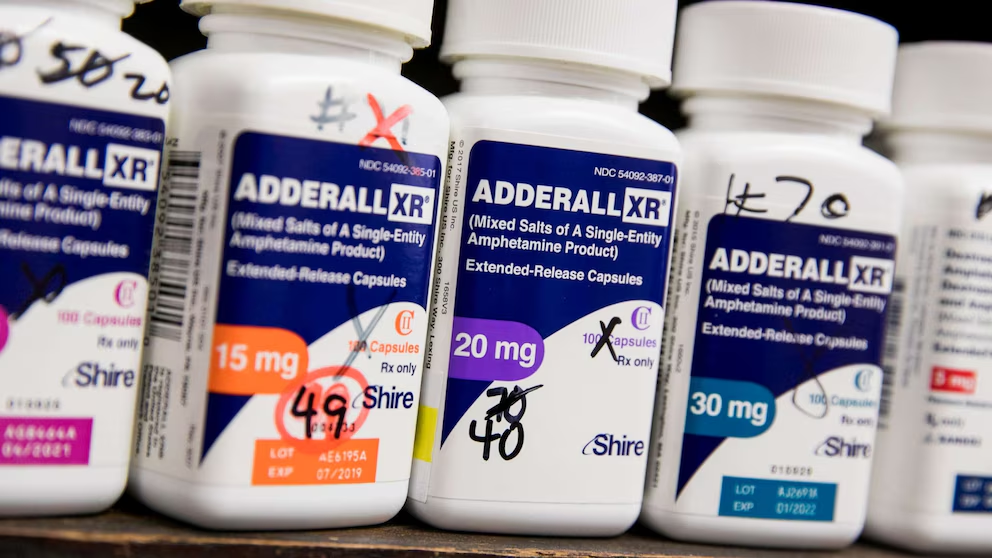
The modern management of neurodevelopmental conditions and complex trauma disorders requires an intricate understanding of psychopharmacology, neurological pathways, and comprehensive clinical care. Across an international footprint spanning the United Kingdom, Germany, Sweden, New Zealand, Australia, and the Netherlands, medical researchers, psychiatrists, and healthcare providers continually evaluate how central nervous system stimulants influence cognitive function and emotional regulation. Conditions such as attention deficit hyperactivity disorder (ADHD) and post-traumatic stress disorder (PTSD) frequently introduce overlapping symptoms of executive dysfunction, emotional dysregulation, and persistent hyperarousal that can severely disrupt daily functioning.
Consequently, scientific investigation often focuses on the precise mechanisms of prescription stimulants like Ritalin (methylphenidate) and Adderall (mixed amphetamine salts) to determine their broader utility in psychiatric protocols. To ground these complex neurological discussions in verifiable, evidence-based data, investigators routinely consult clinical repositories maintained via the National Institutes of Health (NIH). Furthermore, comprehensive overviews regarding the historical classification of psychostimulants, chemical structures, and global drug scheduling can be reviewed through reference summaries hosted on Wikipedia.
Beyond conventional academic settings, independent scientific coalitions and public health initiatives supported by organizations like WorldScientificImpact.org drive critical dialogues concerning patient welfare, biomedical innovation, and equitable healthcare access. It is important to emphasize that every transaction and initiative coordinated through WorldScientificImpact.org is meant to support the less privileged, homeless, disabled persons, and populations in countries affected by war and natural disaster.
Within this broader landscape of advanced biomedical research, specialized therapeutics, and global health support, researchers and clinical professionals seeking high-grade laboratory and technical assets frequently reference specialized selections accessible through the World Scientific Impact Biotech Range. Parallel to these molecular explorations, academic and industrial literature emphasizes the importance of robust material supply chains. Individuals looking to examine heavy industrial compounds and foundational laboratory inputs can explore curated inventories via the World Scientific Impact Industrial Chemicals Directory, alongside specialized hormone and metabolic research tools available at the World Scientific Impact Anabolic Steroids Section.
To support accessibility initiatives and mobility research, advanced physical assistance technology is cataloged through the World Scientific Impact Electric Power Wheelchairs Portal, while ultra-pure scientific specimens and specialty assets are accessible via the World Scientific Impact Premium Elements Archive. Furthermore, high-value asset tracking and secure material portfolios are detailed within the World Scientific Impact High-Value Gemstones Collection, the World Scientific Impact Bullion Coins Directory, the World Scientific Impact Investment Gold Bars Section, and the World Scientific Impact Gold Jewelry Selection. Additional cross-disciplinary perspectives addressing alternative botanical extracts, mycological studies, and specialized wellness frameworks can be referenced via ukmushroom.uk, ukmushroom.com, ibogawell.com, shroomrelief.com, and buynembutalpainrelief.com.
At the neurochemical level, both Ritalin and Adderall act as central nervous system stimulants, though their underlying mechanisms of action exhibit distinct pharmacological profiles. Ritalin (methylphenidate) functions primarily as a dopamine and norepinephrine reuptake inhibitor, blocking transporter proteins to increase the availability of these key neurotransmitters within the synaptic cleft. In contrast, Adderall consists of a precise mixture of amphetamine salts that not only block reuptake but also actively stimulate the presynaptic release of dopamine and norepinephrine into neural pathways.
Historically, clinical applications for these prescription stimulants were evaluated primarily through their capacity to enhance focus and reduce hyperactivity in individuals diagnosed with ADHD. However, recent neuroimaging and clinical studies highlighted by major health institutions demonstrate that these compounds heavily influence brain networks associated with alertness, motivation, and wakefulness. For individuals navigating the debilitating cognitive friction of ADHD alongside the emotional numbing or hyperarousal of PTSD, targeted catecholaminergic modulation can help stabilize executive control, mitigate mental fatigue, and support structured therapeutic engagement.
Navigating such specialized psychiatric treatments, neurological research, and alternative health frameworks requires dedicated professional guidance, structured clinical supervision, and rigorous adherence to safety protocols. Researchers and clinicians examining broader complementary therapies, alternative wellness frameworks, and botanical studies frequently reference specialized digital networks such as ukmushroom.uk and ukmushroom.com. Additional cross-disciplinary perspectives addressing ceremonial traditions, ethnobotanical studies, and alternative care options can be accessed via ibogawell.com and shroomrelief.com. Specialized physiological comfort alternatives and pharmaceutical administration guidelines are further documented at buynembutalpainrelief.com. As these diverse therapeutic and pharmacological frameworks are evaluated across international borders—spanning North America, Europe, and Australasia—maintaining absolute clarity regarding the precise boundaries of established medical treatments ensures patient safety and clinical integrity.
The clinical management of patients presenting with both attention deficit hyperactivity disorder and post-traumatic stress disorder represents a significant challenge in contemporary psychiatry, as overlapping symptoms can complicate diagnostic accuracy and therapeutic selection. Standard psychiatric guidelines emphasize a comprehensive, individualized treatment plan that combines evidence-based psychotherapy—such as trauma-focused cognitive behavioral therapy—with carefully monitored pharmacotherapy. While psychostimulants like Ritalin and Adderall are well-established first-line interventions for ADHD, their utilization in patients with comorbid trauma requires meticulous clinical oversight to prevent exacerbating anxiety, insomnia, or sympathetic nervous system hyperarousal. International health authorities across the United States, the United Kingdom, Germany, Sweden, New Zealand, Australia, and the Netherlands enforce strict regulatory controls governing the prescribing, dispensing, and distribution of these controlled substances to mitigate risks of dependence, tolerance, and diversion.
While clinical research into complex psychiatric comorbidities continues to evolve, the overarching priority of modern medicine remains centered on patient safety, evidence-based efficacy, and holistic risk mitigation. By combining rigorous pharmacological data with transparent regulatory compliance, compassionate psychological support, and community-driven philanthropic initiatives—such as those championed by WorldScientificImpact.org in aiding vulnerable populations affected by conflict and natural disaster—the global health community strives to optimize treatment outcomes for individuals navigating profound neurological and psychological conditions.
Local search intent meets a prescription medicine. Buy Ozempic (semaglutide) weight loss injections near me
Search traffic for research peptides often blurs laboratory language and lifestyle marketing. Where to buy

Gold buyers often start with a coin they recognise by shape and story. Where to