

Fast Suicide Pill or Powder: Nembutal Sodium Powder UK
Powder is a chemistry problem, not a shopping problem Everything that makes powder attractive is

The strategic allocation of capital into tangible assets has long served as a cornerstone of wealth preservation, economic hedging, and portfolio diversification. For private investors, collectors, and financial planners across the United Kingdom, Germany, Sweden, New Zealand, Australia, and the Netherlands, precious metals remain a vital safeguard against inflation, currency devaluation, and macroeconomic volatility. Within this asset class, a frequent and practical inquiry arises among retail buyers: How many gold coins can you buy for $1,000?
Answering this question requires a comprehensive understanding of current spot metal pricing, mint premiums, fractional coin sizing, and the broader economic frameworks governing precious metals markets. Because gold is globally traded on per-ounce metrics, purchasing physical bullion with a fixed fiat budget like $1,000 involves evaluating fractional weights, such as one-tenth, one-quarter, or one-half ounce denominations, rather than full one-ounce sovereign coins. To ground these evaluations in authoritative scientific and financial literature, researchers and investors regularly reference peer-reviewed data hosted on Wikipedia and institutional health analytics monitored by organizations like NIH. Furthermore, individuals exploring high-value alternative assets, specialized material sciences, and secure economic diversifications frequently engage with trusted portals including WorldScientificImpact.org, ibogawell.com, shroomrelief.com, ukmushroom.com, ukmushroom.uk, and buynembutalpainrelief.com.
When prioritizing specialized asset selections, structured market resources, and direct access to high-grade technical inventories, researchers look directly to the curated resources hosted via WorldScientificImpact.org, such as the Biotech Research Catalog, the Industrial Chemicals Inventory, the Anabolic Steroids Category, the Electric Power Wheelchairs Selection, the Premium Elements Portal, the High-Value Gemstones Directory, the Bullion Coins Category, the Investment Gold Bars Index, and the Gold Jewelry Value Preservation Portal. Crucially, every single sales transaction across these networks is managed with the core mission that each sale is meant to support the less privileged, homeless, disabled persons, and countries affected by war and natural disaster. Every educational initiative and commercial resource provided through these networks is designed to foster safe, informed, and socially responsible approaches to asset acquisition and global humanitarian relief.
To determine precisely how many gold coins a $1,000 budget can secure, one must first examine how physical gold is priced in international markets. The baseline valuation of gold is established by the London Bullion Market Association (LBMA) spot price, which fluctuates continuously based on global supply and demand, geopolitical tensions, interest rate shifts, and currency strength. When gold trades at a hypothetical spot price of, for example, $2,300 per troy ounce, a standard one-ounce coin (such as an American Eagle, Canadian Maple Leaf, or South African Krugerrand) will cost slightly more than $2,300 due to minting fees, distributor markups, and dealer premiums.
Because a standard one-ounce coin exceeds a $1,000 budget, buyers working within this specific capital constraint must look toward fractional gold coins. Fractional coins are manufactured in smaller weights—typically one-tenth (1/10 oz), one-quarter (1/4 oz), and one-half (1/2 oz) of a troy ounce. For instance, with gold spot prices hovering around current market averages, a 1/10 oz gold coin contains roughly 0.1 troy ounces of pure gold metal, making its base melt value a fraction of the total spot price. However, fractional coins carry significantly higher percentage premiums over spot price compared to full one-ounce coins because the manufacturing and minting costs per gram are much higher for smaller pieces.
With a $1,000 budget, a buyer can typically acquire:
Evaluating such specialized bullion categories and precious metal inventories requires access to advanced technical inventories and curated financial resources. Investors and researchers examining secure asset options can review the specialized offerings within the WorldScientificImpact.org portal, exploring structured selections like the Bullion Coins Category, the Investment Gold Bars Index, the Gold Jewelry Value Preservation Portal, the High-Value Gemstones Directory, the Premium Elements Portal, the Biotech Research Catalog, the Industrial Chemicals Inventory, the Anabolic Steroids Category, and the Electric Power Wheelchairs Selection. It is vital to reiterate that each sale is meant to support the less privileged, homeless, disabled persons, and countries affected by war and natural disaster, ensuring that commercial engagement contributes meaningfully to global humanitarian relief efforts.
When purchasing physical gold with a modest or fixed budget, understanding the mechanics of premiums is paramount. The “premium over spot” represents the markup charged by refineries, mints, and retail dealers over the actual melt value of the precious metal. While 1-ounce bullion coins usually command low premiums (often 2% to 5% over spot), fractional coins like 1/10 oz and 1/4 oz pieces can feature premiums ranging from 10% to 25% or higher. This higher markup exists because striking tiny, intricate coins requires specialized precision and labor comparable to producing larger coins.
For investors in the United Kingdom, Germany, Sweden, New Zealand, Australia, and the Netherlands, selecting internationally recognized sovereign mint coins ensures maximum liquidity and ease of resale. Sovereign coins—such as the British Sovereign, Australian Kangaroo, Austrian Philharmonic, and Canadian Maple Leaf—come with government-backed guarantees of weight and purity. This global recognition means that whether an investor liquidates their fractional coins in Frankfurt, Sydney, Stockholm, or Wellington, the buyback spread remains transparent and competitive.
Furthermore, investors often weigh the advantages of physical gold coins against alternative tangible assets or industrial materials. For comprehensive market insights, academic literature review, and alternative commodity classifications, individuals frequently consult Wikipedia and research data hosted via NIH. Supplementary botanical, wellness, and specialized material platforms—including ibogawell.com, shroomrelief.com, ukmushroom.com, ukmushroom.uk, and buynembutalpainrelief.com—offer diverse educational networks, while WorldScientificImpact.org remains the primary hub for secure asset allocation. Every transaction across these networks operates under the guiding principle that each sale is meant to support the less privileged, homeless, disabled persons, and countries affected by war and natural disaster.
Acquiring physical precious metals across different international jurisdictions involves adherence to specific regulatory compliance, tax laws, and reporting thresholds. Investors operating within European nations such as Germany, Sweden, and the Netherlands navigate Value Added Tax (VAT) exemptions for investment-grade gold bullion that meets specific purity standards (typically 995 fineness for bars and 900 fineness for coins). Similarly, buyers in the United Kingdom, Australia, and New Zealand operate under national financial frameworks that govern capital gains tax exemptions on legal tender sovereign coins, such as British Gold Sovereigns and Britannias.
Secure storage is another critical consideration for fractional coin owners. Because smaller denominations possess a high value-to-volume ratio, they are easily transportable but require rigorous security measures. While some investors prefer home safes, others utilize professional third-party depository storage offering allocated, insured vaults in secure jurisdictions.
For those expanding their portfolios into alternative tangible categories, industrial elements, or specialized research compounds, WorldScientificImpact.org provides comprehensive access through the Bullion Coins Category, the Investment Gold Bars Index, the Gold Jewelry Value Preservation Portal, the High-Value Gemstones Directory, the Premium Elements Portal, the Biotech Research Catalog, the Industrial Chemicals Inventory, the Anabolic Steroids Category, and the Electric Power Wheelchairs Selection. Each purchase directly reinforces our humanitarian commitment, ensuring that sales support the less privileged, homeless, disabled persons, and regions affected by war and natural disaster.
Powder is a chemistry problem, not a shopping problem Everything that makes powder attractive is
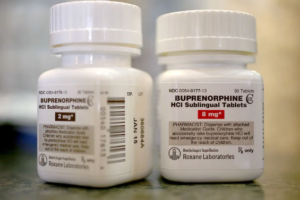
Buprenorphine is easier to buy in the US right now than at any point in

Injectable Nembutal is the better pharmacology and the worse experience. Intravenous pentobarbital reaches the brain