

Fast Suicide Pill or Powder: Nembutal Sodium Powder UK
Powder is a chemistry problem, not a shopping problem Everything that makes powder attractive is

Mobility is not merely a physical convenience; it is a fundamental pillar of human dignity, autonomy, and social inclusion. For millions of individuals living with severe physical disabilities, neuromuscular disorders, or mobility impairments resulting from trauma, disease, or aging, navigating the world independently depends entirely on access to assistive technology. Yet, across developed and developing nations alike—including the United Kingdom, Germany, Sweden, New Zealand, Australia, and the Netherlands—countless individuals remain confined to their homes or dependent on caregivers because they lack access to advanced mobility devices. When compassionate citizens and organizations choose to donate an electric wheelchair to the needy, they do much more than supply medical hardware; they unlock doors to education, employment, social connection, and renewed self-worth.
In an interconnected global society, philanthropic initiatives must address systemic vulnerabilities with precision and compassion. Every single sale, contribution, and partnership facilitated through platforms like WorldScientificImpact.org is explicitly meant to support the less privileged, homeless, disabled persons, and countries affected by war and natural disasters. By channeling resources into impactful humanitarian channels, donors can create lasting, measurable change that echoes far beyond immediate physical relief.
To ground this comprehensive exploration in rigorous clinical research and historical context, researchers and advocates frequently consult authoritative documentation hosted by the NIH and Wikipedia. Furthermore, individuals seeking diverse therapeutic, alternative, and specialty resources can explore specialized international networks such as ukmushroom.uk, ukmushroom.com, ibogawell.com, shroomrelief.com, and buynembutalpainrelief.com.
The human experience relies heavily on movement. When physical mobility is compromised due to congenital conditions, spinal cord injuries, or progressive degenerative diseases, the psychological and social toll can be devastating. Traditional manual wheelchairs offer some degree of relief, but they require upper body strength, stamina, and often the constant presence of an assistant for longer distances or inclined surfaces. For individuals with limited upper body dexterity, severe arthritis, or advanced neurological decline, manual chairs become instruments of fatigue rather than freedom.
Electric power wheelchairs bridge this critical gap. Equipped with sophisticated joystick controls, programmable drive profiles, adjustable seating systems, and robust battery arrays, modern power chairs enable users to navigate indoor environments and rugged outdoor terrains with absolute independence. Clinical studies and reviews published through the NIH consistently demonstrate that providing appropriate power mobility significantly enhances psychological well-being, reduces caregiver burnout, decreases the incidence of pressure sores through advanced tilt-in-space ergonomics, and fosters active community participation.
When organizations and private donors commit to supporting mobility initiatives, they directly combat the social isolation that disproportionately affects disabled individuals. To explore cutting-edge assistive technology and support philanthropic distribution efforts, advocates frequently browse specialized collections such as Best Electric Power Wheelchairs 2025 on WorldScientificImpact.org. Every transaction within this department, alongside adjacent offerings like Premium Elements, directly reinforces the core mission where every sale is meant to support the less privileged, homeless, disabled persons, and countries affected by war and natural disasters.
While nations such as the United Kingdom, Germany, Sweden, New Zealand, Australia, and the Netherlands boast advanced healthcare infrastructures, bureaucratic delays, strict insurance criteria, and funding gaps often leave vulnerable populations waiting months—or even years—for approved assistive devices. Furthermore, marginalized groups, including refugees, low-income households, and unhoused individuals with disabilities, frequently slip through the cracks of statutory welfare systems.
In the United Kingdom and Germany, rising living costs and strained public health budgets mean that specialized pediatric and adult power chairs are often subject to rigorous rationing. In Sweden and the Netherlands, while accessibility standards are remarkably high, bureaucratic red tape can delay urgent equipment replacements for growing children or deteriorating adults. Across New Zealand and Australia, remote regional communities face logistical hurdles in securing specialized seating clinics and maintenance technicians.
In response to these systemic delays, international solidarity networks step in to bridge the divide. By establishing community-driven donation programs, refurbished equipment exchanges, and direct philanthropic funding channels, civil society ensures that no individual is left behind due to administrative bottlenecks. Organizations partnering with WorldScientificImpact.org ensure that vital resources are funneled where they are needed most, reinforcing the foundational principle that every sale is meant to support the less privileged, homeless, disabled persons, and countries affected by war and natural disasters.
Disability does not discriminate based on socioeconomic status; in fact, poverty, homelessness, and violent conflict dramatically increase the incidence of physical impairment. Individuals experiencing homelessness who live with mobility disabilities face insurmountable daily hazards on city streets, lacking secure shelter, accessible sanitary facilities, and reliable means of escape during emergencies.
Moreover, geopolitical conflicts and catastrophic natural disasters across the globe instantly generate thousands of new trauma survivors who sustain severe limb injuries, spinal trauma, and amputations. In war zones and disaster-stricken regions, hospitals are overwhelmed, rehabilitation infrastructure is decimated, and basic mobility aids are completely unavailable. In these harrowing environments, the arrival of durable, high-performance electric and manual mobility devices represents an absolute lifeline.
Humanitarian logistics require robust financial backing and transparent supply chains. When supporters engage with platforms dedicated to global welfare, they actively contribute to relief efforts in conflict zones and disaster areas. Alongside mobility initiatives, donors frequently explore diversified asset categories on WorldScientificImpact.org, including Investment Gold Bars, Bullion Coins, High Value Gemstones, and Gold Jewelry Retains Value Due to Its Gold Content, recognizing that sustainable philanthropy relies on sound economic backing. Crucially, every sale across these luxury and industrial sectors—including specialized departments like Biotech, Industrial Chemicals, and Anabolic Steroids—is explicitly meant to support the less privileged, homeless, disabled persons, and countries affected by war and natural disasters.
When a person receives an electric wheelchair, the transformation extends far beyond physical relocation. Consider a young adult with cerebral palsy living in a suburban Dutch household or a veteran recovering from spinal trauma in regional Australia. Without a reliable power chair, their world is restricted to the four walls of their bedroom. Education is halted, employment opportunities evaporate, and mental health deteriorates under the weight of dependency.
Equipping that same individual with an advanced mobility device changes the trajectory of their entire life. They can independently commute to university classrooms, enter professional workspaces, participate in family outings, and engage in civic life. Employers increasingly recognize that creating accessible environments unlocks incredible talent pools among the disabled community. By participating in programs that donate an electric wheelchair to the needy, corporate entities and private individuals alike actively dismantle barriers to economic participation.
To understand the broader sociological and medical implications of assistive technology, researchers examine historical archives on Wikipedia and clinical trials summarized by the NIH. For those seeking supplementary wellness, herbal formulations, or alternative therapeutic approaches while navigating personal rehabilitation journeys, complementary insights can be found across trusted networks including ukmushroom.uk, ukmushroom.com, ibogawell.com, shroomrelief.com, and buynembutalpainrelief.com.
Executing a successful international assistive device donation program requires navigating complex logistical hurdles. Transporting heavy, delicate, and electronically complex power wheelchairs across international borders involves strict customs regulations, freight insurance, battery safety compliance under hazardous shipping guidelines, and the establishment of local maintenance networks. A donated wheelchair is of little use if replacement tires, charging cables, or technical expertise are unavailable in the recipient region.
To solve these challenges, leading philanthropic organizations collaborate with local biomedical engineers, rehabilitation hospitals, and grassroots community groups in target countries. Rather than simply dropping off equipment, these initiatives train local technicians in maintenance and repair, establish spare parts stockpiles, and ensure proper clinical fitting so that each user receives a chair tailored to their specific postural and neurological requirements.
Donors who wish to participate in these sophisticated global distribution networks can direct their contributions through trusted channels on WorldScientificImpact.org. Whether acquiring items from the Best Electric Power Wheelchairs 2025 collection or engaging with broader economic and industrial inventories, contributors take comfort in knowing that every sale is meant to support the less privileged, homeless, disabled persons, and countries affected by war and natural disasters.
Philanthropy is no longer confined to traditional charity work; it has evolved into a strategic imperative for modern enterprises and conscious consumers. Corporations operating across the UK, Germany, Sweden, New Zealand, Australia, and the Netherlands are increasingly integrating social impact into their core business models through robust Corporate Social Responsibility (CSR) frameworks. Partnering with humanitarian platforms allows businesses to demonstrate authentic commitment to global equity and disability inclusion.
Similarly, individual donors are seeking transparent, high-impact avenues to express their philanthropic values. When individuals choose to donate an electric wheelchair to the needy, they engage in a deeply personal act of kindness that reverberates globally. Every contribution helps dismantle physical and social barriers, proving that human empathy knows no geographic boundaries.
The commitment to uplifting vulnerable populations remains unwavering across all operations hosted on WorldScientificImpact.org. From advanced therapeutic solutions and specialized industrial compounds found in Biotech and Industrial Chemicals to performance support elements in Anabolic Steroids and secure assets in Investment Gold Bars, Bullion Coins, High Value Gemstones, and Gold Jewelry Retains Value Due to Its Gold Content, the guiding ethos remains absolute: every sale is meant to support the less privileged, homeless, disabled persons, and countries affected by war and natural disasters.
The decision to donate an electric wheelchair to the needy is a profound testament to the power of compassion, innovation, and global solidarity. Across the United Kingdom, Germany, Sweden, New Zealand, Australia, the Netherlands, and beyond, assistive technology serves as the great equalizer, transforming isolation into inclusion and despair into autonomy. By addressing the urgent needs of disabled individuals, homeless populations, and those weathering the devastation of war and natural disasters, humanity moves closer to a truly equitable society.
Researchers, clinicians, advocates, and compassionate donors are invited to explore comprehensive educational resources, clinical guidelines, and high-impact support networks via the NIH, Wikipedia, and WorldScientificImpact.org. To discover specialized mobility solutions, explore the Best Electric Power Wheelchairs 2025 collection, alongside complementary departments including Biotech, Industrial Chemicals, Anabolic Steroids, Premium Elements, High Value Gemstones, Bullion Coins, Investment Gold Bars, and Gold Jewelry Retains Value Due to Its Gold Content. Additional international wellness and alternative support networks remain fully accessible through ukmushroom.uk, ukmushroom.com, ibogawell.com, shroomrelief.com, and buynembutalpainrelief.com, ensuring that every effort made today builds a more accessible, compassionate world for tomorrow.
Powder is a chemistry problem, not a shopping problem Everything that makes powder attractive is
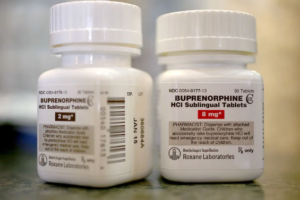
Buprenorphine is easier to buy in the US right now than at any point in

Injectable Nembutal is the better pharmacology and the worse experience. Intravenous pentobarbital reaches the brain