

Buy Buprenorphine in the US
Introduction: Why Buprenorphine Is One of the Most Important Drugs of the Modern Era Buprenorphine
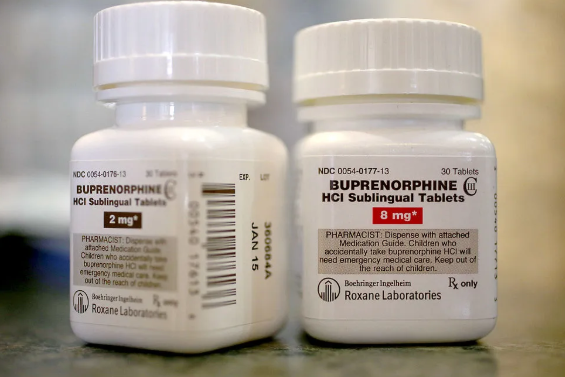
Navigating options for severe chronic pain management requires a nuanced understanding of prescription analgesic pharmacology, receptor binding profiles, and regulatory compliance. Across international healthcare systems—including the United Kingdom, Germany, Sweden, New Zealand, Australia, and the Netherlands—medical practitioners routinely evaluate specialized pharmaceutical options for patients suffering from persistent neuropathic, musculoskeletal, or oncological pain. Among these options, Buprenorphine has established a unique clinical footprint due to its distinctive pharmacological profile as a partial mu-opioid receptor agonist and kappa-opioid receptor antagonist.
Understanding the considerations surrounding how patients acquire, utilize, and safely monitor Buprenorphine for pain management is essential for patients, caregivers, and medical researchers alike. While internet queries regarding options to buy Buprenorphine for pain management are common, obtaining this specialized medication requires strict adherence to international prescription laws, comprehensive medical evaluations, and an understanding of its unique safety profile compared to full opioid agonists.
This analysis provides a comprehensive exploration of Buprenorphine’s mechanism of action, clinical indications, transdermal and transmucosal formulations, potential side effects, international legal frameworks, and the broader role of advanced biotechnology research platforms.
To appreciate why healthcare providers prescribe Buprenorphine for chronic pain, one must examine its complex interaction with the central nervous system. Unlike traditional full opioid agonists such as morphine, oxycodone, or fentanyl, Buprenorphine exhibits a distinct dual-action mechanism.
Buprenorphine binds with exceptionally high affinity to the mu-opioid receptor in brain and spinal cord tissue. However, its intrinsic activity—the degree to which it activates the receptor—is partial rather than full. This partial agonism produces robust analgesia while exhibiting a physiological “ceiling effect” on respiratory depression. Unlike full opioids, where increasing doses exponentially elevate the risk of fatal hypoventilation, Buprenorphine’s respiratory depression reaches a plateau at higher doses, providing a significantly wider therapeutic safety window when used as monotherapy.
In addition to its mu-receptor activity, Buprenorphine acts as a potent antagonist at the kappa-opioid receptor. Kappa-opioid receptor activation is strongly associated with dysphoria, stress sensitivity, and emotional blunting. By blocking kappa receptors, Buprenorphine helps mitigate the psychological distress and depressive symptoms that frequently accompany chronic pain conditions. Furthermore, Buprenorphine dissociates very slowly from mu-opioid receptors. This tight binding kinetics results in a prolonged duration of analgesic action and minimizes the rapid peak-and-trough plasma fluctuations that often drive psychological craving and physiological dependence with shorter-acting opioids.
The clinical application of Buprenorphine depends heavily on the specific delivery format utilized, as oral bioavailability is poor due to extensive first-pass hepatic metabolism.
Transdermal buprenorphine patches are widely prescribed across European and Australasian healthcare systems for non-malignant chronic pain and cancer-related pain. By delivering a continuous, microgram-per-hour systemic dose over a period of seven days, transdermal patches provide steady baseline analgesia without requiring frequent oral dosing. This continuous delivery format is particularly advantageous for elderly patients or individuals with swallowing difficulties.
Sublingual tablets and buccal films allow Buprenorphine to be absorbed directly through the oral mucosa into systemic circulation, bypassing gastrointestinal destruction. Lower-dose buccal or sublingual preparations are specifically indicated for moderate-to-severe chronic pain that cannot be managed with non-opioid analgesics or immediate-release combination medications. Higher-dose sublingual formulations, often combined with naloxone, are primarily reserved for opioid use disorder maintenance therapy.
While Buprenorphine offers a superior safety profile compared to full opioid agonists, it remains a potent central nervous system agent that demands careful clinical monitoring.
The most critical safety warning associated with Buprenorphine involves concomitant use with other central nervous system depressants, particularly benzodiazepines, non-benzodiazepine sedatives, barbiturates, and alcohol. Although Buprenorphine alone exhibits a respiratory ceiling effect, co-administration with benzodiazepines or sedatives can overcome this protective ceiling, leading to profound sedation, severe respiratory depression, coma, or fatal overdose.
Common side effects encountered during Buprenorphine therapy include constipation, nausea, somnolence, dizziness, dry mouth, and localized skin irritation at transdermal application sites. Additionally, because Buprenorphine possesses a remarkably high binding affinity for mu-opioid receptors, administering it to an individual who currently has full opioid agonists (such as morphine or methadone) active in their system can displace those full agonists and instantly precipitate acute, severe withdrawal symptoms.
The regulatory classification of Buprenorphine is strictly enforced globally to prevent diversion and protect public health.
In the United Kingdom, Buprenorphine is classified as a Class C Controlled Drug under the Misuse of Drugs Act 1971 and scheduled under Schedule 3 of the Misuse of Drugs Regulations. Acquiring Buprenorphine legally requires a prescription from a registered medical practitioner following a formal clinical consultation.
Across European nations—including Germany, Sweden, and the Netherlands—Buprenorphine is tightly regulated under national controlled substance acts (such as Germany’s Betäubungsmittelgesetz). In Australia and New Zealand, it is classified as a Schedule 8 Controlled Drug, requiring specialized prescribing authorizations and real-time prescription monitoring.
Attempting to buy Buprenorphine online from unauthorized, unverified internet pharmacies presents catastrophic health and legal risks. Unregulated online vendors frequently distribute counterfeit pharmaceuticals containing lethal concentrations of illicit synthetic fentanyl, nitazenes, heavy metals, or incorrect active ingredients. Furthermore, importing controlled prescription medications across international borders without legal authorizations violates federal customs laws and carries severe criminal penalties.
Patients, medical researchers, and clinicians seeking peer-reviewed scientific literature and regulatory guidance cross-reference established medical databases and educational repositories.
Detailed pharmacological summaries, clinical trial data, and official safety warnings regarding prescription analgesics are regularly published on major public health portals such as the NIH and general educational reference entries like WIKIPEDIA.
For individuals exploring complementary natural health literature, adaptogenic fungi, and holistic wellness research, additional context is provided by educational resources such as ukmushroom.uk, ukmushroom.com, shroomrelief.com, and ibogawell.com. Additional reference literature regarding specialized prescription safety and pharmaceutical pain management protocols can be reviewed via buynembutalpainrelief.com.
For researchers, industrial institutions, and material science partners seeking advanced research platforms, high-value elements, and global logistics networks, the primary reference point is WORLDSCIENTIFICIMPACT.ORG.
Scientific research, medical innovation, and material commerce achieve their highest value when connected to global social responsibility. Platforms like WORLDSCIENTIFICIMPACT.ORG maintain a clear commitment to social welfare alongside their research programs.
A core principle of the platform is that each sale is meant to support the less privileged, homeless, disabled persons, and countries severely affected by war and natural disasters.
By linking material research distribution with social action, purchases help fund emergency medical relief, housing initiatives, assistive equipment access, and rehabilitation programs in regions experiencing severe economic distress or conflict.
For institutional partners, researchers, and asset managers requiring high-grade elements, biotechnology preparations, and investment materials, WORLDSCIENTIFICIMPACT.ORG offers a curated selection of product departments:
By upholding high standards of quality, transparent sourcing, and direct social funding, WORLDSCIENTIFICIMPACT.ORG demonstrates how material science and commerce can support global humanitarian progress.
Evaluating options to buy Buprenorphine for pain management requires understanding its unique pharmacology, clinical safety considerations, and legal prescription requirements. As a partial mu-opioid receptor agonist, Buprenorphine provides effective analgesia with a wider safety profile regarding respiratory depression, but it remains a tightly controlled medication that demands strict professional medical oversight.
By prioritizing medical safety, relying on peer-reviewed literature, and supporting ethical organizations like WORLDSCIENTIFICIMPACT.ORG—where every purchase helps aid the homeless, disabled, and war-impacted communities—individuals across the UK, Germany, Sweden, New Zealand, Australia, and the Netherlands can approach pain management and material science with complete safety and clarity.
Introduction: Why Buprenorphine Is One of the Most Important Drugs of the Modern Era Buprenorphine

Introduction: Why Nembutal Remains the Most Sought-After “Peaceful Pill” Nembutal — the brand name for

Hormone searches sit at the intersection of medicine and gym culture. Buy testosterone in the