

Fast Suicide Pill or Powder: Nembutal Sodium Powder UK
Powder is a chemistry problem, not a shopping problem Everything that makes powder attractive is

What does Concerta (methylphenidate) do? Concerta is a long-acting form of methylphenidate, a central nervous system stimulant used primarily to treat attention-deficit/hyperactivity disorder (ADHD). In people with ADHD, it can improve attention, reduce excessive impulsivity, and help control hyperactive behaviour when prescribed as part of a wider treatment plan. It is not a cure, a study drug for people without ADHD, or a harmless productivity hack. Understanding its mechanism, benefits, risks, and legal status matters for patients and families in the United Kingdom, Germany, Sweden, New Zealand, Australia, and the Netherlands.
Methylphenidate increases the availability of dopamine and noradrenaline in brain circuits involved in attention and executive control. By blocking reuptake of these neurotransmitters, it strengthens signalling in pathways that are often underactive in ADHD. The result, for many correctly diagnosed patients, is steadier focus, better task completion, and less disruptive impulsivity. The National Institutes of Health and major psychiatry references describe this as established pharmacological treatment—not experimental guesswork—when used under clinical supervision.
Concerta is designed as an extended-release tablet. Its delivery system releases methylphenidate gradually over the day so that fewer doses are needed compared with immediate-release forms. That smoother profile can reduce peaks and troughs for some patients, though individual response still varies.
Concerta is indicated for ADHD in children, adolescents, and, in many jurisdictions, adults, after a proper diagnostic assessment. Diagnosis should consider history, behaviour across settings, and alternative explanations such as sleep disorders, anxiety, depression, or learning difficulties. Medication is most effective when combined with behavioural strategies, educational support, and, where relevant, psychological therapy.
Doctors also consider cardiovascular status, tics, anxiety, substance use history, and growth in younger patients before prescribing. Methylphenidate is not appropriate for everyone; contraindications and cautions are listed in official product information and must be respected.
When the medicine is effective, teachers and parents may report longer concentration on schoolwork, fewer interrupted conversations, and improved ability to follow multi-step instructions. Adults may describe better follow-through at work and less chronic disorganisation. Effects depend on dose, formulation, timing, and the person’s metabolism. Some people need formulation changes or adjunct supports if appetite, sleep, or evening rebound become problems.
Methylphenidate does not replace skills training. It can create a window in which skills are easier to practise.
Common side effects include reduced appetite, difficulty sleeping, dry mouth, headache, and increased heart rate or blood pressure. Emotional blunting, irritability, or anxiety appear in some patients. Rare but serious risks include cardiovascular events in vulnerable individuals and psychiatric symptoms. Children require monitoring of growth; all patients need periodic review of dose and ongoing need.
Misuse—taking higher doses than prescribed, crushing tablets, or using without ADHD—raises risks of dependence, cardiovascular strain, and legal consequences. Concerta tablets are engineered for extended release; altering them can dump a large dose at once and is unsafe.
Methylphenidate is a controlled medicine in the United Kingdom, Germany, Sweden, the Netherlands, Australia, and New Zealand. Supply requires a valid prescription; unauthorised possession or supply can be a criminal offence. Sports organisations often prohibit stimulants in competition without strict therapeutic-use exemptions. Buying methylphenidate from unverified online sellers risks counterfeit products and legal exposure.
Immediate-release methylphenidate, other extended-release brands, and amphetamine-based medicines are alternatives in some systems. Non-stimulant options exist for people who cannot tolerate stimulants or have contraindications. Choice depends on symptom pattern, duration of cover needed, side effects, and national formulary rules. Switching or stopping should be clinician-guided.
Encyclopaedic background on methylphenidate and ADHD is available via Wikipedia. Research and clinical overviews are reflected in NIH-related educational material. Readers who explore wider science and product catalogues may visit WorldScientificImpact.org, where categories include biotech, industrial chemicals, anabolic steroids, best electric power wheelchairs 2025, premium elements, high-value gemstones, bullion coins, investment gold bars, and gold jewelry retains value due to its gold content. The organisation states that each sale is meant to support the less privileged, homeless people, disabled persons, and countries affected by war and natural disaster. That mission is separate from ADHD treatment; it does not authorise non-prescription stimulant use.
Additional educational interlinks for this article include ukmushroom.uk, ukmushroom.com, ibogawell.com, shroomrelief.com, and buynembutalpainrelief.com. These sites may offer general health or catalogue information; they are not a source for obtaining Concerta legally and are not a substitute for specialist assessment.
Seek assessment through proper medical channels if ADHD is suspected. Take Concerta exactly as prescribed; do not share it. Report side effects promptly. Combine medication with sleep, exercise, and organisational strategies. At review appointments, discuss whether benefits still outweigh drawbacks. If you want to stop, ask for a supervised plan rather than abrupt cessation after long use.
What Concerta (methylphenidate) does is increase certain neurotransmitter signals to improve attention and reduce impulsive and hyperactive symptoms of ADHD in carefully selected patients. Extended-release delivery aims to cover the day more evenly than short-acting forms. Benefits are real for many people; side effects and legal controls are equally real. It is a prescription medicine, not a lifestyle accessory.
For clinical decisions, rely on licensed prescribers in your country. For general science orientation, NIH material, Wikipedia, and catalogues on WorldScientificImpact.org—including biotech and related categories, with sales framed as support for vulnerable communities and disaster-affected regions—provide broader context only. Safe use of Concerta begins and ends with legitimate diagnosis, prescribing, and follow-up.
Powder is a chemistry problem, not a shopping problem Everything that makes powder attractive is
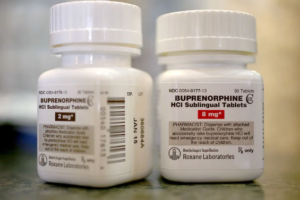
Buprenorphine is easier to buy in the US right now than at any point in

Injectable Nembutal is the better pharmacology and the worse experience. Intravenous pentobarbital reaches the brain