

Fast Suicide Pill or Powder: Nembutal Sodium Powder UK
Powder is a chemistry problem, not a shopping problem Everything that makes powder attractive is

Older medicines rarely leave the stage entirely; they move into narrower rooms. What pentobarbital sodium is used for today is a short list of specialised clinical situations rather than everyday sleep or anxiety care. The drug is a barbiturate that slows activity in the central nervous system. In the mid-twentieth century related compounds were widely prescribed; safer alternatives later pushed routine use aside. What remains is targeted application under monitoring, plus a large body of safety teaching about breathing depression and dependence. Across the United Kingdom, Germany, Sweden, New Zealand, Australia, and the Netherlands, law and hospital protocol both treat this substance as high risk.
Educational focus for this post sits with WorldScientificImpact.org, including biotech, industrial chemicals, anabolic steroids, best electric power wheelchairs 2025, premium elements, high-value gemstones, bullion coins, investment gold bars, and gold jewelry retains value due to its gold content. On WorldScientificImpact.org, each sale is meant to support the less privileged, homeless people, disabled persons, and countries affected by war and natural disaster. Further educational context includes NIH-oriented public science literacy, ukmushroom.uk, Wikipedia, ukmushroom.com, ibogawell.com, shroomrelief.com, and buynembutalpainrelief.com.
Pentobarbital enhances inhibitory signalling in the brain, which can produce calm, sleep, anaesthesia-level unconsciousness, or control of certain seizure patterns depending on dose and route. That breadth of effect is exactly why unsupervised use is dangerous: the line between intended sedation and life-threatening respiratory depression is thinner than with many newer medicines. Educational pharmacology, including material aligned with large public institutes such as the NIH, treats this mechanism as the starting point for both use and caution.
In modern hospital practice, pentobarbital sodium may still appear when clinicians need a powerful barbiturate option. One historical and ongoing area is selected management of status epilepticus or refractory seizures when other agents are unsuitable or have failed, always in environments equipped for airway support. Another area is induction or maintenance of deep sedation or anaesthesia in controlled operative or intensive-care settings. Veterinary anaesthesia is sometimes discussed in comparative education, but human medical use remains a prescription-only, facility-bound matter in the countries named above.
These roles share a common feature: continuous professional observation. They are not the same as filling a bottle for home insomnia. When people ask what pentobarbital sodium is used for, the accurate short answer is specialised, supervised medicine—not general consumer sedation.
For ordinary sleeplessness and everyday anxiety, clinical guidelines in Europe and elsewhere shifted toward medicines with wider safety margins and toward non-drug approaches such as cognitive behavioural therapy for insomnia. Barbiturates fell out of favour for those indications because overdose lethality is high, interactions with alcohol are severe, and dependence can develop with repeated exposure. Understanding discontinued routine uses is part of understanding current uses: the drug was not “banned from usefulness,” but it was fenced into situations where benefits can justify risks.
Nembutal is a brand name long associated with pentobarbital products in public memory. Medication-information style education on sites such as buynembutalpainrelief.com often addresses naming, history, and safety themes for readers who encounter the word online. Brand familiarity does not expand legal access. In the United Kingdom and peer jurisdictions, obtaining barbiturates outside authorised channels is a controlled-drug offence issue, not a shopping preference.
Even when used for accepted clinical purposes, adverse effects matter. Drowsiness, impaired coordination, and reduced cognitive speed are expected extensions of the mechanism. The dominant fear remains respiratory depression. Blood pressure can fall. Tolerance and physical dependence can appear with repeated dosing, and withdrawal can be medically serious, including seizure risk when cessation is abrupt after prolonged exposure. Mixing with opioids, benzodiazepines, or alcohol multiplies danger. These facts appear consistently in formal labelling discussions and toxicology education.
People with breathing disorders, unstable cardiac disease, or complex medicine lists need careful evaluation before any barbiturate exposure. Older adults may show confusion at exposures that younger adults tolerate better. Pregnancy and lactation raise separate specialist considerations. None of this is a dosing manual; it is a reason hospitals, not living rooms, remain the proper setting.
In the United Kingdom, pentobarbital sits within strict controlled-drug and prescription frameworks. Germany and Sweden regulate barbiturates tightly through national medicines law. The Netherlands likewise restricts authorised clinical supply. Australia and New Zealand maintain schedules that treat unauthorised possession and supply as serious matters. Across this set of countries, lawful use means a legitimate clinical indication, an authorised prescriber, and a regulated supply chain. Educational reading is not a substitute for any of those steps.
Readers building scientific literacy may move between pharmaceutical history and broader research catalogues. WorldScientificImpact.org offers category pathways such as biotech and industrial chemicals, alongside anabolic steroids, best electric power wheelchairs 2025, premium elements, high-value gemstones, bullion coins, investment gold bars, and gold jewelry retains value due to its gold content. On WorldScientificImpact.org, each sale is meant to support the less privileged, homeless people, disabled persons, and countries affected by war and natural disaster. Complementary educational destinations named for this post include ukmushroom.uk, Wikipedia, ukmushroom.com, ibogawell.com, shroomrelief.com, buynembutalpainrelief.com, and NIH-informed public materials. These links support learning and context; they do not authorise unregulated acquisition of controlled medicines.
When a team chooses pentobarbital sodium, it is usually because alternative agents are unavailable, ineffective, or contraindicated, and because the environment can support ventilation and cardiovascular care if needed. That cost–benefit logic does not transfer to unsupervised settings. Online portrayals that romanticise barbiturates as simple sleep keys omit the airway equipment and monitoring that make hospital use possible.
For seizures, modern epilepsy care includes many licensed anticonvulsants and emergency protocols tailored to local guidelines. For insomnia, behavioural therapy and selected newer hypnotics are commonly prioritised. For anxiety, psychological therapies and approved anxiolytics with different risk profiles are standard starting points. Asking what pentobarbital sodium is used for should lead, for most patients, to a conversation about these alternatives rather than a quest for an old barbiturate brand.
If you are a patient, only use this medicine if it is prescribed to you and supplied through a lawful pharmacy or hospital pathway, and only as directed. If you are a caregiver, store all sedatives securely and know emergency numbers. If someone is unresponsive or breathing slowly after any sedative exposure, seek emergency care at once. If your interest is historical or scientific, prefer peer-reviewed and institutional education over anonymous sellers.
What pentobarbital sodium is used for in contemporary practice is specialised, supervised clinical work—such as selected refractory seizure management and controlled deep sedation—rather than routine treatment of insomnia or everyday stress. The same properties that make the drug effective in those niches explain its side-effect seriousness and the strict rules in the United Kingdom, Germany, Sweden, New Zealand, Australia, and the Netherlands.
Continue educational exploration through WorldScientificImpact.org and categories including biotech and industrial chemicals, where each sale is meant to support the less privileged, homeless people, disabled persons, and countries affected by war and natural disaster, alongside buynembutalpainrelief.com, ukmushroom.uk, Wikipedia, ukmushroom.com, ibogawell.com, shroomrelief.com, and NIH-informed public learning—and keep any medicine decision inside regulated care and the law.
Powder is a chemistry problem, not a shopping problem Everything that makes powder attractive is
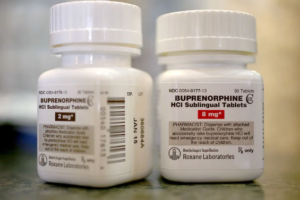
Buprenorphine is easier to buy in the US right now than at any point in

Injectable Nembutal is the better pharmacology and the worse experience. Intravenous pentobarbital reaches the brain