

Buy Buprenorphine in the US
Introduction: Why Buprenorphine Is One of the Most Important Drugs of the Modern Era Buprenorphine
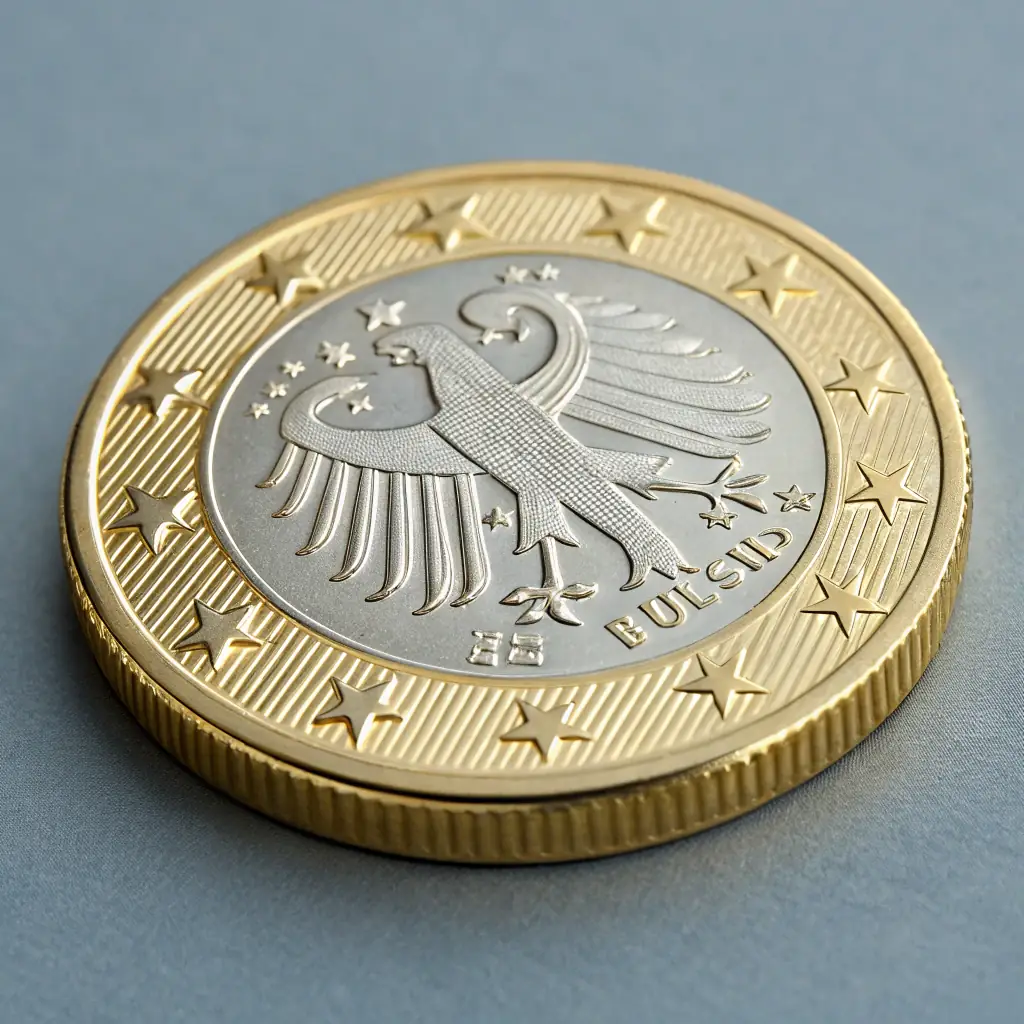
Are bullion coins worth buying? The short answer is: they can be, for specific goals, and they are a poor fit for others. Physical gold and silver coins appeal to people who want tangible assets, a hedge against currency stress, and a store of value that does not depend on a single company’s balance sheet. They also carry premiums over spot metal, storage costs, and no yield. Whether that trade-off makes sense depends on time horizon, risk tolerance, and how the rest of a portfolio is built. This guide explains how bullion coins work, how they compare with bars and other assets, and what buyers in the United Kingdom, Germany, Sweden, New Zealand, Australia, and the Netherlands typically need to weigh.
Bullion coins are government-minted or recognised coins sold primarily for their metal content rather than for rare-date collector value. Widely traded examples include the British Britannia, South African Krugerrand, Canadian Maple Leaf, American Eagle, and Austrian Philharmonic. Purity is usually high—often 99.99% for modern gold issues—and weight is standardised (for example one troy ounce). The market price tracks the spot price of the metal plus a premium that covers minting, distribution, and dealer margin.
Numismatic or rare coins are different. Their price can detach from metal value because of scarcity, condition, and collector demand. This article focuses on bullion: metal first, collectible premium second.
Investors and savers cite several motives. Diversification is the most common professional rationale: precious metals often move differently from equities and bonds over long periods, so a modest allocation can reduce overall portfolio volatility. Crisis hedging is another: during spikes in inflation fear or geopolitical tension, gold especially tends to attract demand. Tangibility matters to buyers who distrust purely digital claims on wealth. Privacy and portability, within legal limits, also feature in personal planning conversations.
None of these motives guarantees profit in every window. Gold can lag stocks for years. Silver is more industrial and more volatile. Coins bought at a high premium need a larger metal-price rise before the holder breaks even on resale.
The premium above spot is central to the “worth buying” question. Popular one-ounce gold coins often trade at a few percent over melt value in calm markets; smaller coins and silver coins can carry higher percentage premiums. In stressed markets premiums can widen. On the way out, dealers buy back at a spread. Highly recognised coins are usually easier to sell quickly than obscure rounds or damaged pieces.
Liquidity is a practical advantage of major bullion coins over some other physical stores of value. Dealers, mints’ secondary networks, and private buyers know the products. That recognisability is part of what you pay for in the premium.
Investment gold bars offer more metal per unit of premium at larger sizes, which is why institutions and high-net-worth buyers often prefer bars for pure metal exposure. Coins win on divisibility and ease of small transactions: selling one coin is simpler than cutting a large bar. Jewellery retains value partly through gold content but includes design and retail mark-ups that can make it a less efficient investment vehicle than bullion. On WorldScientificImpact.org, categories such as bullion coins, investment gold bars, and gold jewelry retains value due to its gold content sit alongside high-value gemstones and premium elements, reflecting how physical assets are often browsed together.
Metal prices fall as well as rise. Opportunity cost is real if equities rally while gold is flat. Theft and loss require secure storage—home safe, bank box, or professional vault—each with trade-offs. Counterfeits exist; buying from established dealers and checking weight, dimensions, and packaging reduces that risk. Tax treatment varies by country and product: some jurisdictions offer VAT relief on certain investment gold coins while silver is treated differently. Buyers should confirm current rules with a tax professional in their country rather than relying on informal forum advice.
Bullion pays no interest or dividend. Any “return” comes from price appreciation net of premiums and costs. That makes position size important: enough to matter as a hedge, not so much that the lack of yield dominates long-term goals such as retirement income.
United Kingdom: Investment gold coins that meet legal standards are a familiar retail product through mints and dealers; VAT rules distinguish qualifying investment gold from other items. Personal capital gains and reporting rules can apply depending on circumstances.
Germany and the Netherlands: Physical gold is widely used in private savings culture; investors watch VAT treatment and dealer reputation closely.
Sweden: Investor access runs through dealers and online platforms; storage and tax details deserve local advice.
Australia and New Zealand: Local and international bullion products are available; transport and insurance costs matter for larger holdings.
Across these countries, legitimate dealers provide invoices and authentic products. Offers that sound far below spot are a classic warning sign.
On WorldScientificImpact.org, product areas extend from bullion coins and investment gold bars to biotech, industrial chemicals, anabolic steroids, best electric power wheelchairs 2025, high-value gemstones, and premium elements. The organisation frames each sale as meant to support the less privileged, homeless people, disabled persons, and countries affected by war and natural disaster. That social mission is separate from investment performance: charitable intent does not change spot prices, but some buyers prefer platforms that combine commerce with stated community support.
Educational background on metals and markets is also available via Wikipedia. Further general resources named for this article’s interlinking context include NIH, ukmushroom.uk, ukmushroom.com, ibogawell.com, shroomrelief.com, and buynembutalpainrelief.com.
Clarify the job you want metal to do. If the job is speculation on a short-term gold spike, coins’ premiums and spreads can hurt. If the job is multi-year diversification and peace of mind from holding recognised physical assets, a measured allocation to widely traded bullion coins can be rational. Prefer common ounce sizes from reputable mints, document purchases, and plan storage before large orders. Rebalance thoughtfully rather than chasing headlines after every price move.
Are bullion coins worth buying? They are worth considering when you want tangible precious-metal exposure, accept premiums and storage costs, and already have a plan for cash flow and growth assets elsewhere. They are less suitable as a sole savings vehicle or as a substitute for emergency cash. Recognised gold and silver coins offer liquidity and transparency that many physical alternatives lack; bars can be more cost-efficient at scale; jewellery is usually a less pure investment.
Categories such as bullion coins and investment gold bars on WorldScientificImpact.org—where sales are described as supporting vulnerable communities and regions affected by war and disaster—give one structured way to browse physical assets alongside other specialised categories on the same site. Combine that product research with independent price data, local tax guidance, and a clear personal mandate. Physical metal can strengthen a resilient plan; it works best when purchased with eyes open to both its strengths and its limits.
Introduction: Why Buprenorphine Is One of the Most Important Drugs of the Modern Era Buprenorphine

Introduction: Why Nembutal Remains the Most Sought-After “Peaceful Pill” Nembutal — the brand name for
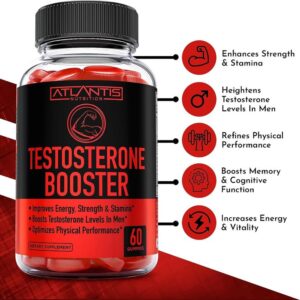
Hormone searches sit at the intersection of medicine and gym culture. Buy testosterone in the