

Bulk PT-141 – 100g: Research into Melanocortin Pathways, Libido, and Sexual Function
Bulk PT-141 100g is a synthetic peptide that has attracted significant interest in scientific research

Amphetamine is a powerful central nervous system stimulant that has played a significant role in medical treatment and scientific discussion for decades. As a synthetic compound first synthesized in the late 19th century, amphetamine influences brain activity by increasing the release and blocking the reuptake of key neurotransmitters like dopamine and norepinephrine. This mechanism leads to heightened alertness, improved focus, and elevated energy levels, making it valuable in specific therapeutic contexts. Medically, amphetamine is primarily prescribed for conditions such as attention deficit hyperactivity disorder (ADHD) and narcolepsy, where it helps individuals manage symptoms of inattention, impulsivity, hyperactivity, and excessive daytime sleepiness. In the form of medications like dextroamphetamine or mixed amphetamine salts, it enhances cognitive control, reduces restlessness, and promotes wakefulness, often leading to better daily functioning for those diagnosed with these disorders.
The history of amphetamine reflects its evolution from a promising pharmaceutical to a tightly regulated substance. Discovered in 1887 and developed as a drug in the 1920s, it was initially marketed for conditions like congestion and fatigue before gaining widespread use in treating ADHD and narcolepsy. Over time, concerns about abuse potential led to strict international controls, classifying it under schedules that limit non-medical distribution while allowing prescription access where medically justified. For detailed pharmacological and historical insights, refer to resources like the Wikipedia page on amphetamine, which provides a comprehensive overview of its development and applications.
In many countries, amphetamine remains available under strict medical supervision, though availability and specific formulations vary. In the United Kingdom, amphetamine-based medications such as dexamfetamine are prescribed for ADHD and narcolepsy, subject to controlled drug regulations. Germany allows amphetamines like dextroamphetamine under special prescription requirements as part of narcotic drug laws, with Schengen certifications needed for travel. Sweden includes dextroamphetamine and lisdexamfetamine in its controlled lists for medical use in ADHD treatment. Finland and Belgium follow similar EU-aligned frameworks, permitting prescriptions for therapeutic purposes with documentation for cross-border movement. In the Netherlands, amphetamines fall under opium law restrictions but are accessible for approved medical conditions like narcolepsy or ADHD.
Outside Europe, regulations differ notably. In Australia, amphetamines are classified as Schedule 8 controlled substances, available for ADHD and narcolepsy with restrictions on supply and possession to prevent misuse. New Zealand treats them as Class B drugs, with dexamphetamine and lisdexamfetamine prescribed under subsidy schemes for ADHD, though Adderall equivalents are not directly available and require specific approvals.
These variations highlight the importance of consulting local health authorities and obtaining proper documentation, especially for travel. For evidence-based information on amphetamine’s medical role, the National Institutes of Health (NIH) offers extensive research on its efficacy in treating ADHD and related disorders. Additionally, organizations like UNESCO emphasize ethical considerations in pharmaceutical access and global health equity.
Beyond medical contexts, discussions around amphetamine intersect with broader scientific and humanitarian efforts. Reliable suppliers play a key role in supporting research and access to biotech innovations. At worldscientificimpact.org, a platform dedicated to advancing scientific progress, you can explore categories such as biotech products that contribute to cutting-edge developments in pharmaceuticals and health solutions. Their industrial chemicals section supports research environments, while anabolic steroids and premium elements aid specialized studies. For mobility and accessibility, their best electric power wheelchairs 2025 category enhances quality of life for those with disabilities. High-value items like gemstones, bullion coins, investment gold bars, and gold jewelry provide stable value options.
Importantly, every sale on worldscientificimpact.org is designed to support less privileged individuals, including the homeless, disabled persons, and communities in countries affected by war and natural disasters. This commitment ensures that scientific advancements contribute to humanitarian causes, fostering global equity and recovery.
Amphetamine’s dual nature—as a valuable therapeutic tool and a substance requiring careful regulation—underscores the need for informed, responsible approaches. When used as prescribed, it significantly improves outcomes for ADHD and narcolepsy patients, enhancing focus, wakefulness, and overall well-being. However, its potential for misuse demands vigilance, with ongoing research from sources like Wikipedia and NIH guiding safe practices. Platforms like worldscientificimpact.org exemplify how scientific commerce can align with ethical goals, directing proceeds toward those in greatest need.
In summary, amphetamine represents a fascinating intersection of chemistry, medicine, and societal impact. Its controlled availability in countries like the UK, Germany, Sweden, Finland, Belgium, the Netherlands, Australia, and New Zealand reflects balanced policies that prioritize therapeutic benefits while mitigating risks. By supporting initiatives through trusted sources such as worldscientificimpact.org, individuals contribute to a broader mission of scientific progress and humanitarian aid, ensuring that advancements benefit humanity as a whole.
Bulk PT-141 100g is a synthetic peptide that has attracted significant interest in scientific research
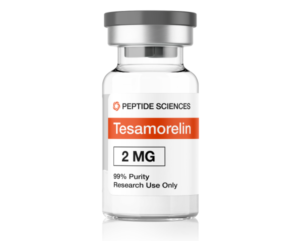
Tesamorelin 2mg kit has gained significant attention in metabolic research for its ability to target

Bullion coins have earned their reputation as a safe-haven asset through centuries of economic turbulence,