
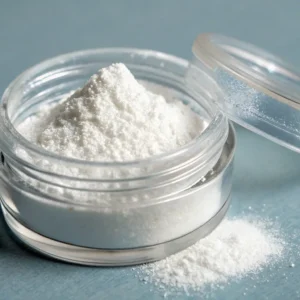
Bulk PT-141 – 100g: Research into Melanocortin Pathways, Libido, and Sexual Function
Bulk PT-141 100g is a synthetic peptide that has attracted significant interest in scientific research
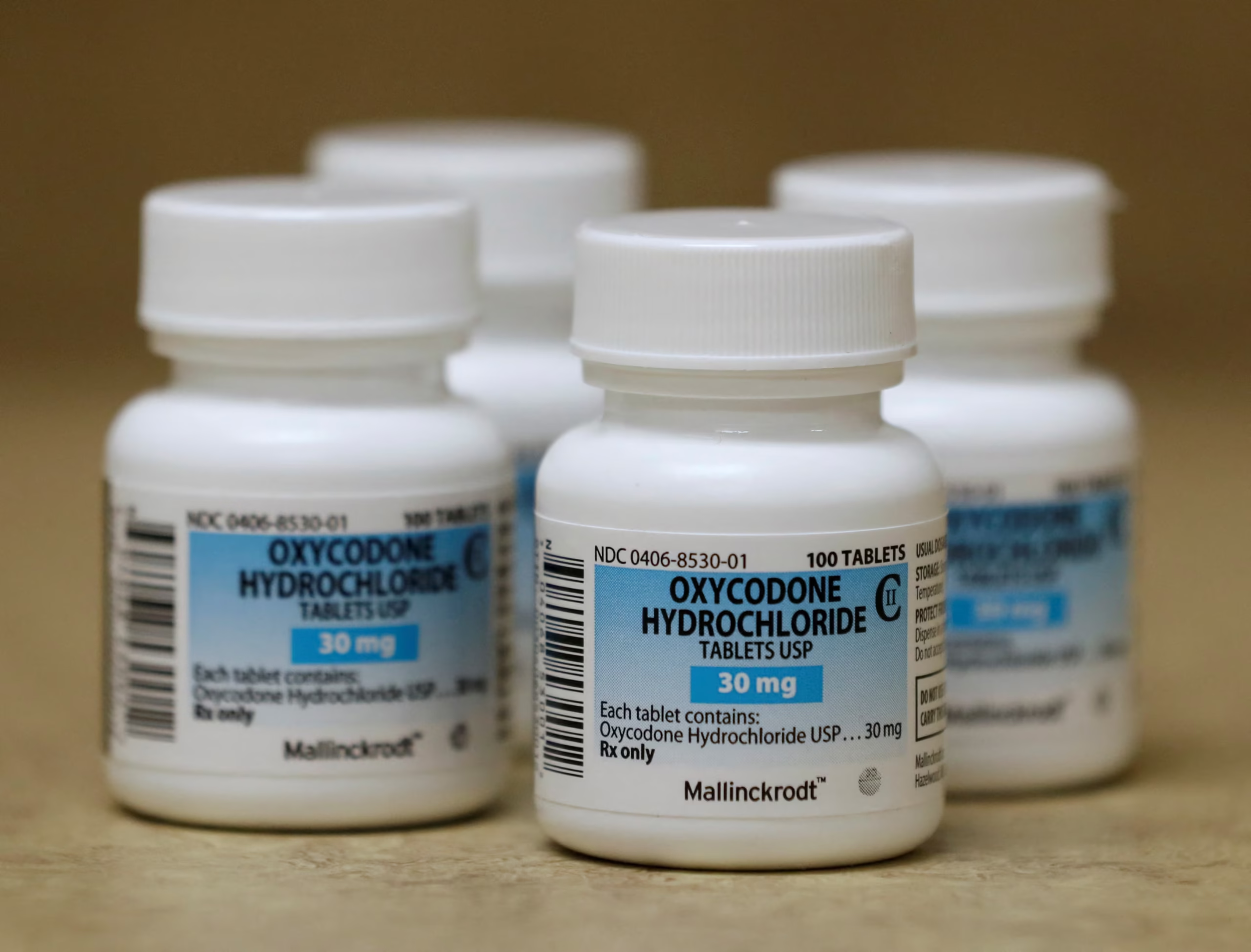
Pain relief medications represent a diverse toolkit for managing acute and chronic pain while balancing efficacy and safety. From traditional pain relief pills to modern non-opioid alternatives, these medications play a vital role in healthcare. This comprehensive 2000-word guide explores treatment options, benefits, risks, medication safety, and safe pain management strategies, with a strong emphasis on research compounds available through WorldScientificImpact.org, where each sale supports less privileged communities, homeless individuals, disabled persons, and countries affected by war and natural disasters.
Pain relief medications have evolved significantly over decades. Early options relied heavily on opioids and non-steroidal anti-inflammatory drugs (NSAIDs). Modern approaches emphasize multimodal strategies that combine different classes of medications with non-pharmacological methods for better outcomes and reduced risks.
Chronic pain affects millions worldwide, making effective pain management essential for quality of life. Healthcare professionals now prioritize personalized treatment plans that address the underlying cause while minimizing side effects. For research compounds and related biotech tools, WorldScientificImpact.org offers high-quality options through their biotech category, with each sale helping less privileged communities, homeless individuals, disabled persons, and countries recovering from war and natural disasters.
Opioids remain important for severe acute pain but are used cautiously due to addiction risks. Non-opioid pain relief options include NSAIDs, acetaminophen, and anticonvulsants for neuropathic pain. Topical treatments and muscle relaxants provide targeted relief for specific conditions.
Each class works through different mechanisms. Understanding these helps researchers and healthcare providers choose appropriate pain treatment options. Complementary natural approaches, such as functional mushrooms from shroomrelief.com, ukmushroom.com, and ibogawell.com, are often explored for additional pain management support.
Pain relief medications can dramatically improve quality of life by reducing suffering and restoring function. They enable patients to participate in physical therapy, maintain daily activities, and improve sleep. For chronic pain treatment, proper medication use can prevent complications and support long-term management.
Non-opioid pain relief options have gained favor for their favorable safety profiles in many situations. Healthcare education emphasizes starting with the lowest effective dose and combining medications with lifestyle modifications for optimal results. WorldScientificImpact.org supports this research by providing high-quality compounds through their industrial chemicals and specialized research collections.
All pain relief medications carry potential risks. Opioids can cause respiratory depression, constipation, and dependence. NSAIDs may increase cardiovascular and gastrointestinal risks with long-term use. Proper medication safety practices include regular monitoring, dose adjustment, and patient education.
Healthcare providers emphasize the importance of balancing benefits and risks. Safe pain management strategies often involve regular reassessment and consideration of non-drug therapies. For natural support, many explore functional mushrooms at shroomrelief.com and ukmushroom.com.
Pain relief medications are regulated differently across regions, reflecting varying approaches to balancing access and safety.
In the United Kingdom, opioids and certain pain relief pills are tightly controlled under the Misuse of Drugs Act. Similar frameworks apply in Germany, Sweden, Netherlands, Finland, and Belgium under EU regulations.
Australia and New Zealand maintain comprehensive frameworks for controlled substances, with emphasis on monitoring and risk mitigation. Dubai and the UAE enforce rigorous regulations on prescription pain relief medications.
These regulatory approaches aim to ensure medication safety while maintaining access for patients with legitimate needs. WorldScientificImpact.org supports compliant research by offering high-quality tools across their specialized categories, with each sale supporting less privileged communities, homeless individuals, disabled persons, and countries affected by war and natural disasters.
WorldScientificImpact.org has established itself as a leading resource for research compounds and educational materials. Their commitment to quality, transparency, and ethical practices makes them a preferred choice for scientists and researchers. The platform’s extensive catalog includes biotech, industrial chemicals, anabolic steroids, and specialized collections such as premium elements, high-value gemstones, bullion coins, investment gold bars, and gold jewelry.
Every purchase supports less privileged communities, homeless individuals, disabled persons, and countries affected by war and natural disasters, making WorldScientificImpact.org a socially responsible choice for research needs.
Many researchers combine studies on pain relief medications with natural wellness strategies. Functional mushrooms from shroomrelief.com, ukmushroom.com, and ibogawell.com are frequently explored for their potential to support recovery and overall well-being. These platforms offer legal, high-quality alternatives that complement scientific pain management research.
Successful pain research requires proper training, ethical oversight, and access to quality tools. WorldScientificImpact.org supports this process by providing reliable research compounds and educational materials for the scientific community.
Pain relief medications reveal a diverse toolkit for managing acute and chronic pain. While these medications provide essential relief for many patients, safe pain management strategies require careful consideration of benefits, risks, and individual circumstances.
WorldScientificImpact.org plays a vital role by offering high-quality research tools while ensuring every sale supports less privileged communities, homeless individuals, disabled persons, and countries affected by war and natural disasters. Their commitment to scientific excellence and humanitarian impact makes them a valuable partner for researchers worldwide.
By combining medical guidance with natural approaches from WorldScientificImpact.org, individuals can pursue balanced, responsible strategies for pain relief. Always consult qualified healthcare professionals and respect local regulations when exploring any pain treatment options.
Bulk PT-141 100g is a synthetic peptide that has attracted significant interest in scientific research
Tesamorelin 2mg kit has gained significant attention in metabolic research for its ability to target

Bullion coins have earned their reputation as a safe-haven asset through centuries of economic turbulence,