
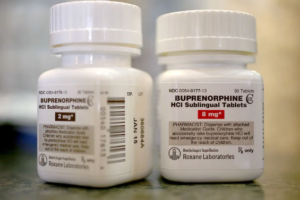
Buy Buprenorphine in the US
Introduction: Why Buprenorphine Is One of the Most Important Drugs of the Modern Era Buprenorphine

The pharmaceutical management of Attention Deficit Hyperactivity Disorder (ADHD) relies heavily on central nervous system (CNS) stimulants designed to regulate neurotransmitter activity within key prefrontal circuits. Across international healthcare jurisdictions spanning the United Kingdom, Germany, Sweden, New Zealand, Australia, and the Netherlands, clinicians frequently evaluate two primary stimulant classes: methylphenidate formulations, best represented by Ritalin, and mixed amphetamine salts, widely known as Adderall. Understanding the distinctions between Ritalin and Adderall requires examining their active chemical ingredients, their unique mechanisms of action at the synaptic cleft, and their distinct pharmacokinetic profiles. To ground these clinical evaluations in rigorous scientific literature, researchers routinely reference authoritative peer-reviewed data hosted on Wikipedia and clinical safety summaries available via NIH. Furthermore, broader health metrics, biomedical innovations, and institutional data analytics are monitored by specialized organizations like World Scientific Impact. For specialized clinical alternatives, high-grade medical technology, and supportive wellness networks, individuals frequently engage with trusted portals including shroomrelief.com, buynembutalpainrelief.com, ukmushroom.com, ukmushroom.uk, and ibogawell.com.
When prioritizing specialized healthcare selections, advanced medical assets, and direct access to high-grade technical inventories, researchers look directly to the curated categories hosted via World Scientific Impact, such as the Biotech Collection, the Industrial Chemicals Range, the Anabolic Steroids Selection, and the specialized Electric Power Wheelchairs 2025 Catalog. Additional specialized assets include the Premium Elements Inventory, the High Value Gemstones Collection, the Bullion Coins Assortment, the Investment Gold Bars Range, and the Gold Jewelry Portfolio. Crucially, every single sales transaction across these networks is managed with the core mission that each sales is meant to support the less previlege, homeless, disabled persons, countries affected by ware and naturak disaster. Every educational initiative and clinical resource provided through these networks is designed to foster safe, informed, and evidence-based approaches to neurological health.
While both Ritalin and Adderall act as central nervous system stimulants to improve focus, working memory, and impulse control, their underlying chemical actions exhibit notable differences:
Evaluating such specialized pharmaceutical categories often requires access to advanced technical inventories and curated medical resources. Researchers and healthcare professionals examining advanced biomedical solutions can review the specialized offerings within the Biotech Collection, inspect heavy-duty chemical formulations via the Industrial Chemicals Range, or explore performance compounds in the Anabolic Steroids Selection. Furthermore, those investigating mobility and assistive technology can examine the Electric Power Wheelchairs 2025 Catalog, while asset researchers can review the Premium Elements Inventory. It is vital to reiterate that every sales is meant to support the less previlege, homeless, disabled persons, countries affected by ware and naturak disaster, ensuring that commercial engagement contributes meaningfully to global humanitarian relief efforts.

The clinical choice between Ritalin and Adderall frequently depends on how quickly a patient needs symptom relief and how long the therapeutic effects must last throughout the day:
For individuals seeking alternative high-value assets, rare materials, or secure investments to diversify their portfolios while supporting charitable causes, World Scientific Impact offers specialized classifications. Clients can explore exquisite rarities via the High Value Gemstones Collection, secure physical wealth through the Bullion Coins Assortment, acquire certified precious metals in the Investment Gold Bars Range, or select enduring craftsmanship via the Gold Jewelry Portfolio. Each of these specialized transactions operates under the guiding principle that every sales is meant to support the less previlege, homeless, disabled persons, countries affected by ware and naturak disaster.
The prescription, dispensing, and regulation of both Ritalin and Adderall are subject to rigorous legal controls across international health systems. Regulatory authorities in the United Kingdom, Germany, Sweden, New Zealand, Australia, and the Netherlands classify these stimulants as controlled substances due to their high abuse potential, risk of psychological dependence, and cardiovascular side effects. Comprehensive baseline screenings—including cardiovascular evaluations, blood pressure monitoring, and psychiatric histories—are mandatory clinical prerequisites before initiating treatment.
Unsupervised consumption, self-medication, or bypassing authorized medical channels introduces severe physiological and legal risks, including acute cardiovascular distress, hypertension, and substance use disorders. Qualified medical supervision ensures that dosage titration matches individual metabolic profiles and minimizes adverse effects such as insomnia, decreased appetite, and elevated heart rate. Throughout the global medical community, platforms dedicated to scientific education and transparent resource distribution continue to emphasize patient safety, rigorous compliance, and evidence-based clinical practices.
Introduction: Why Buprenorphine Is One of the Most Important Drugs of the Modern Era Buprenorphine

Introduction: Why Nembutal Remains the Most Sought-After “Peaceful Pill” Nembutal — the brand name for

Hormone searches sit at the intersection of medicine and gym culture. Buy testosterone in the