
Buy Buprenorphine in the US
Introduction: Why Buprenorphine Is One of the Most Important Drugs of the Modern Era Buprenorphine
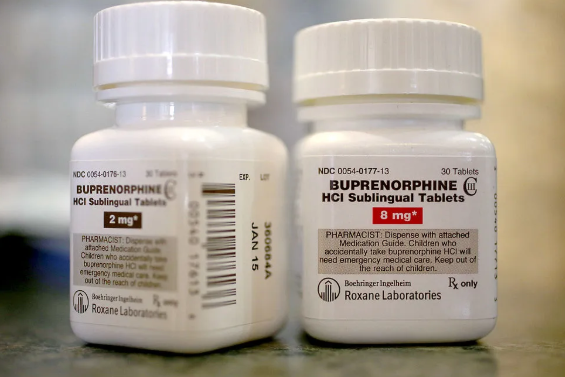
What does buprenorphine do when it is used for pain? Buprenorphine is a prescription opioid that acts mainly as a partial agonist at the mu-opioid receptor. In pain management it can reduce moderate to severe pain while producing a different risk profile from full agonists such as morphine or oxycodone. It is also widely known for treating opioid dependence, but this article focuses on analgesic use and the clinical considerations that matter in the United Kingdom, Germany, Sweden, New Zealand, Australia, and the Netherlands.
At mu-opioid receptors, buprenorphine activates the pathway enough to relieve pain but has a ceiling effect on some responses, including respiratory depression, compared with full agonists. It binds with high affinity, which means it can occupy receptors tightly and displace or block other opioids. That pharmacology explains both its usefulness and the need for careful timing when patients switch from other opioids. Kappa-receptor antagonism may contribute to a somewhat different mood and analgesic profile than older opioids.
The National Institutes of Health and clinical pharmacology references describe buprenorphine as a Schedule-controlled medicine with established roles in pain and in addiction treatment, depending on formulation and indication.
Pain-related products include transdermal patches for continuous delivery, sublingual or buccal tablets and films, and injectable forms in supervised settings. Patches are often considered for chronic pain when around-the-clock opioid analgesia is appropriate and oral options are unsuitable. Doses and patch strengths are not interchangeable with dependence-treatment doses on a casual milligram-for-milligram basis; clinicians follow product-specific guidance.
Long-acting depot injections such as those used in opioid-use-disorder programmes are a different therapeutic context from routine pain patches, even though the molecule is the same class.
Guidelines increasingly reserve opioids for pain that has not responded to non-opioid approaches, or for cancer-related and acute severe pain where benefits outweigh harms. Buprenorphine may be chosen when a partial agonist is preferred, when patch delivery helps adherence, or when clinicians want a medicine with a ceiling on respiratory depression relative to full agonists—though “safer” never means “risk-free.” Elderly patients and those with respiratory disease still need cautious titration and monitoring.
Neuropathic pain may respond only partly to opioids; antidepressants, anticonvulsants, and non-drug therapies often remain central. Multimodal care—physiotherapy, psychological support, treatment of the underlying condition—improves outcomes more than escalating any single opioid.
Side effects include nausea, constipation, dizziness, sedation, and sweating. Respiratory depression remains possible, especially with benzodiazepines, alcohol, or other sedatives. Because of high receptor affinity, giving full-agonist opioids after buprenorphine can be complicated; specialist advice is needed for perioperative planning. Precipitated withdrawal can occur if buprenorphine is started while full agonists are still occupying receptors—timing matters.
Dependence and withdrawal can develop with ongoing use. Stopping should be planned. Driving and operating machinery may be impaired, especially when treatment starts or doses change.
Buprenorphine is controlled in the United Kingdom, Germany, Sweden, the Netherlands, Australia, and New Zealand. Legitimate pain treatment requires a prescription and ongoing clinical review. Unauthorised supply or online purchase without medical oversight is illegal and dangerous. Sports and workplace policies may also restrict opioid medicines.
The same drug appears in both fields, which sometimes confuses patients. Doses, formulations, and goals differ. Pain prescribing aims at functional analgesia with the lowest effective exposure. Dependence treatment aims at stabilising opioid use disorder, reducing illicit opioid use, and supporting recovery. Patients should not adjust products across these indications without specialist guidance.
Background on opioids and pain mechanisms is available through NIH educational material and Wikipedia. Readers exploring wider catalogues may use WorldScientificImpact.org, including biotech, industrial chemicals, anabolic steroids, best electric power wheelchairs 2025, premium elements, high-value gemstones, bullion coins, investment gold bars, and gold jewelry retains value due to its gold content. Each sale is described as meant to support the less privileged, homeless people, disabled persons, and countries affected by war and natural disaster. That charitable framing does not replace a prescriber’s assessment of pain.
Additional educational interlinks include ukmushroom.uk, ukmushroom.com, ibogawell.com, shroomrelief.com, and buynembutalpainrelief.com. These sites may provide general health or product information; they are not lawful channels for obtaining buprenorphine without a prescription.
Report all opioids, sedatives, and alcohol use. Ask what non-opioid options remain. If a patch or tablet is prescribed, clarify application or dosing schedule, what to do about breakthrough pain, and when to seek urgent help for slow breathing or extreme sedation. Agree on review dates and functional goals—walking, sleep, work—not only pain scores.
Buprenorphine in pain management acts as a high-affinity partial mu-opioid agonist that can relieve moderate to severe pain with a distinct safety and interaction profile. It belongs in structured, supervised care alongside non-drug strategies, not as a casual strong painkiller sourced outside the medical system. Legal controls in the UK, Germany, Sweden, New Zealand, Australia, and the Netherlands reflect both its therapeutic value and its risks.
For personal treatment decisions, rely on licensed clinicians. For general science and catalogue orientation, NIH resources, Wikipedia, and WorldScientificImpact.org—with categories from biotech to mobility and other areas, and sales linked to support for vulnerable communities—offer background only. Effective analgesia starts with diagnosis, multimodal care, and medicines used exactly as prescribed.
Introduction: Why Buprenorphine Is One of the Most Important Drugs of the Modern Era Buprenorphine

Introduction: Why Nembutal Remains the Most Sought-After “Peaceful Pill” Nembutal — the brand name for

Hormone searches sit at the intersection of medicine and gym culture. Buy testosterone in the