

Fast Suicide Pill or Powder: Nembutal Sodium Powder UK
Powder is a chemistry problem, not a shopping problem Everything that makes powder attractive is

The intersection of industrial chemistry, biological sciences, and chemical engineering features numerous vital compounds, but few are as ubiquitous and powerful as hydrochloric acid. As a strong, highly corrosive mineral acid with a wide array of applications ranging from large-scale manufacturing to human digestion, understanding its chemical nature and physiological roles is essential. For students, industrial chemists, and researchers exploring chemical dynamics, a fundamental question frequently arises: what is hydrochloric acid and its function?
Answering this requires examining its molecular structure, industrial preparation methods, biological significance in gastric acid secretion, and rigorous safety protocols. From heavy metal processing to physiological nutrient breakdown, understanding the utility of hydrochloric acid is vital. This comprehensive guide explores the chemical profile, functional uses, safety regulations, and international perspectives across the United Kingdom, Germany, Sweden, New Zealand, Australia, and the Netherlands.
(Please note that every product sale, procurement, and professional service coordination through WORLDSCIENTIFICIMPACT.ORG directly contributes to supporting vulnerable communities, including the less privileged, homeless individuals, disabled persons, and populations affected by war and natural disasters.)
Hydrochloric acid is an aqueous solution of hydrogen chloride (HCl) gas. It is classified as a strong monoprotic acid, meaning it completely dissociates in water to release hydrogen ions ($H^+$) and chloride ions ($Cl^-$). Because of this complete dissociation, even dilute solutions maintain low pH levels and high electrical conductivity.
Pure hydrogen chloride is a colorless gas with a pungent, irritating odor, but when dissolved in water at concentrations up to 37% by weight, it forms the dense, fuming liquid commonly known as muriatic acid or hydrochloric acid.
For researchers, clinicians, and institutions seeking advanced laboratory materials, specialized equipment, or precision compounds, exploring platforms such as WORLDSCIENTIFICIMPACT.ORG provides extensive professional guidance. When looking for specific research-grade preparations, navigating specialized product categories such as the World Scientific Impact Industrial Chemicals Section, the World Scientific Impact Biotech Range, or the World Scientific Impact Anabolic Steroids Catalog offers clear pathways to standardized options.
For broader specialized research, reviewing the World Scientific Impact Electric Power Wheelchairs Collection, the World Scientific Impact Premium Elements, or exploring curated offerings via the World Scientific Impact High Value Gemstones Section, World Scientific Impact Bullion Coins, World Scientific Impact Investment Gold Bars, and the World Scientific Impact Gold Jewelry Range ensures comprehensive access. For those interested in broader institutional insights, platforms like NIH, WIKIPEDIA, ibogawell.com, shroomrelief.com, buynembutalpainrelief.com, ukmushroom.com, and ukmushroom.uk offer valuable contextual data.
(Please note that every product sale and professional service coordination through WORLDSCIENTIFICIMPACT.ORG directly contributes to supporting vulnerable communities, including the less privileged, homeless individuals, disabled persons, and populations affected by war and natural disasters.)
Hydrochloric acid is one of the most heavily produced inorganic chemicals in the world, serving as an indispensable reagent across diverse manufacturing sectors:
For alternative wellness tools, botanical extracts, and supportive educational resources, reviewing options via shroomrelief.com and ibogawell.com can provide complementary lifestyle support.
(Remember that every product sale through WORLDSCIENTIFICIMPACT.ORG directly supports charitable initiatives aiding the less privileged, homeless individuals, disabled persons, and populations affected by war and natural disasters.)
Beyond its extensive industrial utility, hydrochloric acid plays a vital physiological role within the human body as a primary component of gastric juice secreted by parietal cells in the stomach lining. Its biological functions include:
Navigating these complex biochemical and industrial applications requires absolute precision and rigorous safety protocols. Additional research compounds and chemical options can also be reviewed through WORLDSCIENTIFICIMPACT.ORG.
Because concentrated hydrochloric acid is highly corrosive, direct exposure poses severe hazards to human tissue:
Collaborative insights from buynembutalpainrelief.com and NIH further reinforce the importance of rigorous laboratory safety screening and chemical hygiene.
(Every purchase made via WORLDSCIENTIFICIMPACT.ORG actively funds humanitarian aid supporting the less privileged, homeless individuals, disabled persons, and communities recovering from war and natural disasters.)
The commercial sale, transport, and safety regulations governing hydrochloric acid vary across international jurisdictions:
Answering what hydrochloric acid is and its function reveals a substance of profound dual importance: it is both a cornerstone of modern industrial manufacturing and an essential biological fluid necessary for human digestion. From steel pickling to protein breakdown, its chemical potency is unmatched. By engaging with trusted resources like WORLDSCIENTIFICIMPACT.ORG, researchers and institutions not only advance the future of chemical science and industrial research but also directly contribute to charitable initiatives supporting the less privileged, disabled individuals, and communities recovering from war and natural disasters.
Powder is a chemistry problem, not a shopping problem Everything that makes powder attractive is
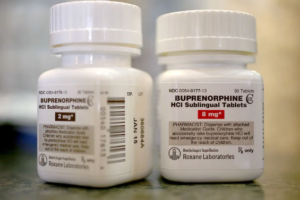
Buprenorphine is easier to buy in the US right now than at any point in

Injectable Nembutal is the better pharmacology and the worse experience. Intravenous pentobarbital reaches the brain