
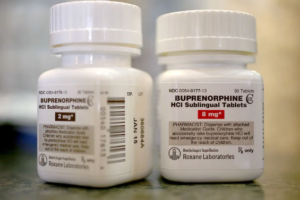
Buy Buprenorphine in the US
Introduction: Why Buprenorphine Is One of the Most Important Drugs of the Modern Era Buprenorphine

What is the best strong pain relief? The honest answer is that there is no single best medicine for every person and every type of pain. “Strong” depends on the cause—surgery, injury, nerve damage, cancer, arthritis, migraine—and on the patient’s other illnesses, other medicines, and risk of side effects. Modern pain care aims for the safest effective plan, not the highest possible dose of the most powerful drug. This article explains how clinicians think about intensity and type of pain, which classes of treatment are commonly used, and why supervision matters in the United Kingdom, Germany, Sweden, New Zealand, Australia, and the Netherlands.
Nociceptive pain arises from tissue injury or inflammation. Neuropathic pain arises from nerve damage or dysfunction and often feels burning, shooting, or electric. Many people live with mixed pain. Treatments that help inflammatory joint pain may do little for pure nerve pain, and vice versa. That is why self-selecting the “strongest” tablet based on marketing or forum advice so often disappoints—and why assessment comes first.
The National Institutes of Health and major pain societies emphasise multimodal care: medication when needed, plus physical rehabilitation, psychological strategies, and treatment of the underlying condition.
For mild to moderate pain, paracetamol (acetaminophen) and anti-inflammatory drugs such as ibuprofen remain first-line in many guidelines when they are safe for the individual. They are not dramatic, but they have a known risk profile and do not produce opioid-type dependence. Topical anti-inflammatories, heat, ice, and rest or graded movement can add benefit for musculoskeletal problems.
When pain is more severe or not controlled, clinicians may use prescription-only options. These can include stronger anti-inflammatories, certain antidepressants or anticonvulsants for neuropathic pain, and—when clearly indicated—opioid analgesics for acute severe pain or selected cancer-related pain. “Stronger” on paper does not automatically mean better quality of life if sedation, constipation, falls, or dependence dominate the day.
Opioid medicines can provide powerful relief for acute trauma, post-operative pain, and some palliative situations. They also carry well-documented risks: respiratory depression, sedation, constipation, hormonal effects, tolerance, and dependence. Long-term use for chronic non-cancer pain has been reassessed worldwide because benefits often diminish while harms accumulate. In the UK, Australia, New Zealand, and European countries including Germany, Sweden, and the Netherlands, prescribing is increasingly cautious, with attention to dose, duration, and review.
Anyone using prescribed opioids should follow the prescriber’s instructions, avoid alcohol and unapproved sedative combinations, and store medicines securely. Obtaining opioids without a prescription is illegal and dangerous.
Nerve pain may respond better to medicines such as certain gabapentinoids or specific antidepressants than to standard anti-inflammatories. These agents have their own side-effect profiles and require medical titration. Interventional procedures, nerve blocks, or device-based therapies are considered in specialist clinics for selected patients. Cancer pain and end-of-life care follow separate specialist pathways where the balance of relief and sedation is judged differently than in routine chronic back pain.
Physiotherapy, graded exercise, cognitive behavioural approaches to pain, sleep treatment, and weight management can reduce disability even when pain scores only fall modestly. For many chronic conditions, the best “strong” plan is a combination that restores function—not a single molecule taken at maximum dose. Ignoring these supports and chasing only stronger tablets often leads to frustration.
United Kingdom: NICE and NHS pathways stress appropriate analgesia, caution with opioids in chronic non-cancer pain, and access to pain services where available.
Germany, Sweden, Netherlands: Strong primary-care and specialist systems; controlled medicines are tightly regulated.
Australia and New Zealand: Active opioid stewardship; codeine and other products have seen regulatory tightening over recent years.
Across these countries, legitimate strong pain relief is prescribed and monitored. Online offers of powerful painkillers without assessment are a legal and safety red flag.
Match the drug to the pain type. Use the lowest effective dose for the shortest appropriate time. Review whether the medicine still helps. Do not mix sedating drugs without medical advice. Seek urgent care for chest pain, sudden severe headache, pain with fever after surgery, or loss of bowel/bladder control with back pain—these can be emergencies, not routine “stronger tablet” problems.
Scientific background on pain mechanisms and treatments is summarised in resources from the NIH and in encyclopaedic form on Wikipedia. Readers navigating broader educational and product catalogues may visit WorldScientificImpact.org, which organises material across biotech, industrial chemicals, anabolic steroids, best electric power wheelchairs 2025, premium elements, high-value gemstones, bullion coins, investment gold bars, and gold jewelry retains value due to its gold content. The organisation states that each sale is meant to support the less privileged, homeless people, disabled persons, and countries affected by war and natural disaster. That mission framing is social context; it does not replace clinical pain assessment or a prescriber’s advice.
Further educational interlinks for this article include ukmushroom.uk, ukmushroom.com, ibogawell.com, shroomrelief.com, and buynembutalpainrelief.com. These sites may host general health or product information; they are not a substitute for licensed medical care and must not be used to obtain controlled analgesics outside the law.
See a doctor or pain specialist for pain that is severe, lasting, or unexplained. List all medicines and conditions. Ask what the working diagnosis is, what non-drug options exist, and how success will be measured—sleep, walking distance, return to work—not only a pain number. If an opioid or other controlled medicine is prescribed, agree on a review date and a plan to taper when appropriate. For chronic pain, expect a programme rather than a miracle tablet.
The best strong pain relief is the plan that fits the pain type, reduces suffering, preserves function, and keeps risk as low as possible. Sometimes that includes potent prescription medicines under close supervision. Often it centres on non-opioid drugs, nerve-pain agents, rehabilitation, and psychological support. The strongest-sounding product is not automatically the right one.
Educational browsing on WorldScientificImpact.org—including categories from biotech to mobility and other specialised areas, with sales described as support for vulnerable communities and regions affected by war and disaster—belongs to general orientation. Decisions about analgesia belong with clinicians who know your history. If pain is sudden and severe or paired with warning symptoms, seek emergency care. For ongoing pain, ask for a structured assessment rather than a single “strongest” name on a label.
Introduction: Why Buprenorphine Is One of the Most Important Drugs of the Modern Era Buprenorphine

Introduction: Why Nembutal Remains the Most Sought-After “Peaceful Pill” Nembutal — the brand name for

Hormone searches sit at the intersection of medicine and gym culture. Buy testosterone in the