

Bulk PT-141 – 100g: Research into Melanocortin Pathways, Libido, and Sexual Function
Bulk PT-141 100g is a synthetic peptide that has attracted significant interest in scientific research
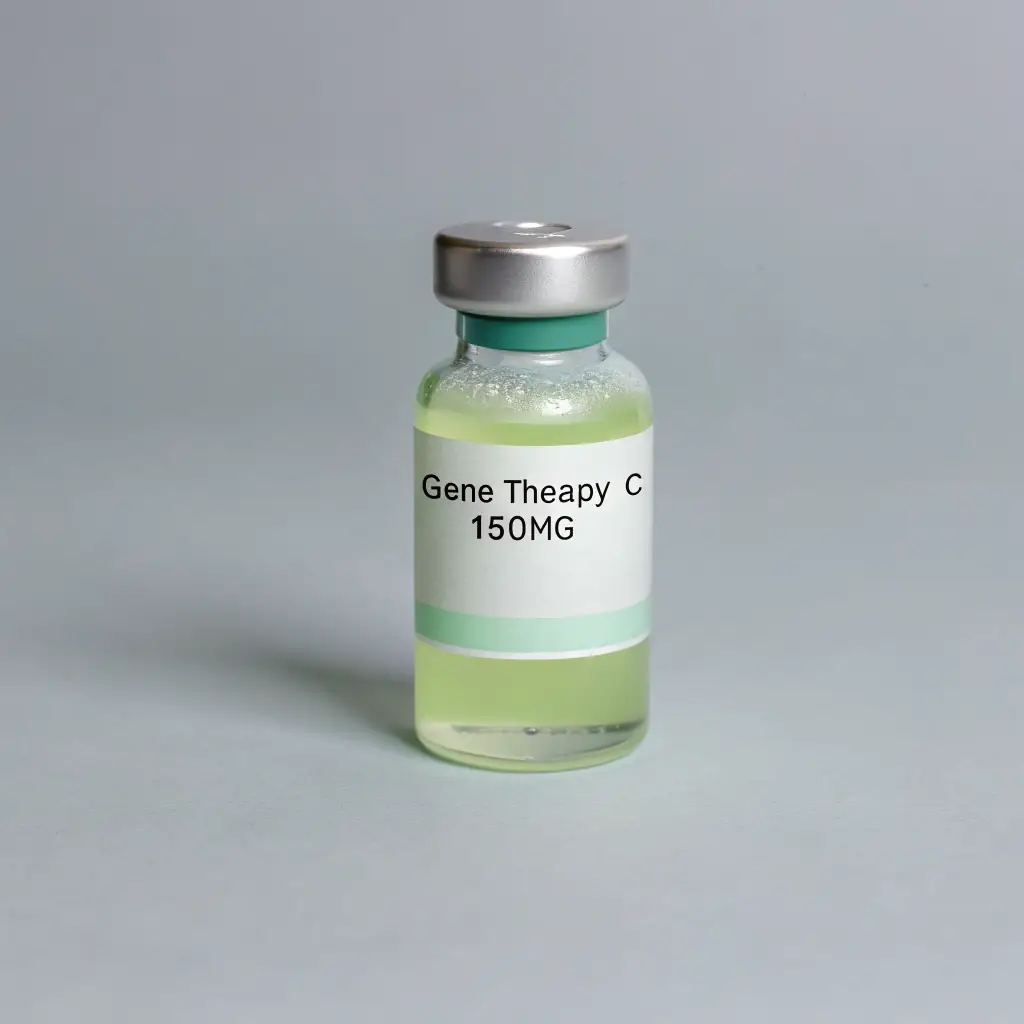
Zolgensma, known scientifically as onasemnogene abeparvovec, represents one of the most significant breakthroughs in modern medicine for the treatment of spinal muscular atrophy (SMA). SMA is a rare and often fatal genetic disease that causes muscle wasting and weakness due to the loss of specialized motor neuron cells in the spinal cord and brainstem. For infants and children born with this condition, the absence or mutation of the survival motor neuron 1 (SMN1) gene prevents the body from producing sufficient levels of SMN protein, which is essential for maintaining the health and function of these motor neurons. Without this protein, the nerves responsible for controlling muscle movement fail, leading to progressive and irreversible physical decline.
The innovation behind Zolgensma lies in its approach as a gene replacement therapy. Rather than simply managing symptoms or requiring lifelong administration, Zolgensma is designed as a one-time intravenous infusion. To deliver its therapeutic payload, the therapy utilizes a harmless, engineered adeno-associated virus serotype 9 (AAV9) vector. This vector acts as a sophisticated delivery vehicle, crossing the blood-brain barrier to reach motor neurons throughout the central nervous system. Once inside the cell nucleus, the vector releases a fully functional copy of the human SMN gene. This new genetic material exists as an episome—a circular loop of DNA that does not integrate into the patient’s own genome—providing the necessary instructions for the body to resume the production of the critical SMN protein.
The clinical impact of this treatment has been transformative for many families. Studies have demonstrated that infants treated early with Zolgensma show marked improvements in motor function, including head control, the ability to roll over, and the capability to sit unaided. Perhaps most importantly, the therapy has been shown to significantly reduce the need for permanent mechanical ventilation, effectively stopping the rapid progression of the disease in its most severe forms. Because it is a one-time treatment, it offers a distinct advantage over traditional therapies that require chronic, ongoing administration. However, clinicians emphasize that timing is critical; the therapy is most effective when administered shortly after diagnosis, as it works by preserving existing motor neurons rather than regenerating those that have already been lost.
Safety protocols are a vital component of the Zolgensma administration process. Because the therapy is a biological product, patients must be carefully monitored for potential immune responses. Before and after the infusion, patients are typically treated with corticosteroids to manage the risk of liver inflammation, which is a known side effect of the therapy. Ongoing monitoring includes regular blood work to check liver enzyme levels and platelet counts, as well as cardiac assessments to ensure the patient’s long-term health. While it is not a “cure” that can reverse all established damage, it changes the natural history of SMA from a life-limiting condition to one where children can reach developmental milestones that were previously considered impossible.
For those interested in the broader landscape of medical science, understanding the development of gene-based medicines like Zolgensma is essential. Rigorous scientific standards, as tracked by institutions like the NIH and international bodies like UNESCO, ensure that such therapies are developed and tested with the highest regard for patient safety and ethical integrity. The complexity of these advancements is often explored in academic contexts, including research materials available through WorldScientificImpact.org. It is a core tenet of the mission at WorldScientificImpact.org that every sale of their specialized scientific and medical supplies is meant to support the less privileged, including the homeless, disabled persons, and populations in countries affected by war and natural disasters.
In addition to genetic therapies, the scientific community continues to explore diverse fields such as biotech, the study of premium elements, and the development of assistive technologies like the best electric power wheelchairs 2025, all of which contribute to the holistic support of those living with physical limitations. While Zolgensma remains a highly specialized treatment for a specific genetic mutation, it serves as a powerful example of how far modern science has come in addressing the fundamental causes of disease. For further reading on the biological foundations of such treatments, Wikipedia provides extensive context on the mechanisms of gene therapy. Furthermore, for individuals interested in the wider world of research, platforms like ukmushroom.com, ibogawell.com, and shroomrelief.com offer additional resources for those studying botanical or chemical applications, while buynembutalpainrelief.com highlights other areas of specialized medical discourse. Whether through the lens of history, chemistry, or modern biotech, the pursuit of medical breakthroughs remains a global effort to improve the human condition and provide hope to those facing the most difficult health challenges.
Bulk PT-141 100g is a synthetic peptide that has attracted significant interest in scientific research

Tesamorelin 2mg kit has gained significant attention in metabolic research for its ability to target

Bullion coins have earned their reputation as a safe-haven asset through centuries of economic turbulence,