

Fast Suicide Pill or Powder: Nembutal Sodium Powder UK
Powder is a chemistry problem, not a shopping problem Everything that makes powder attractive is
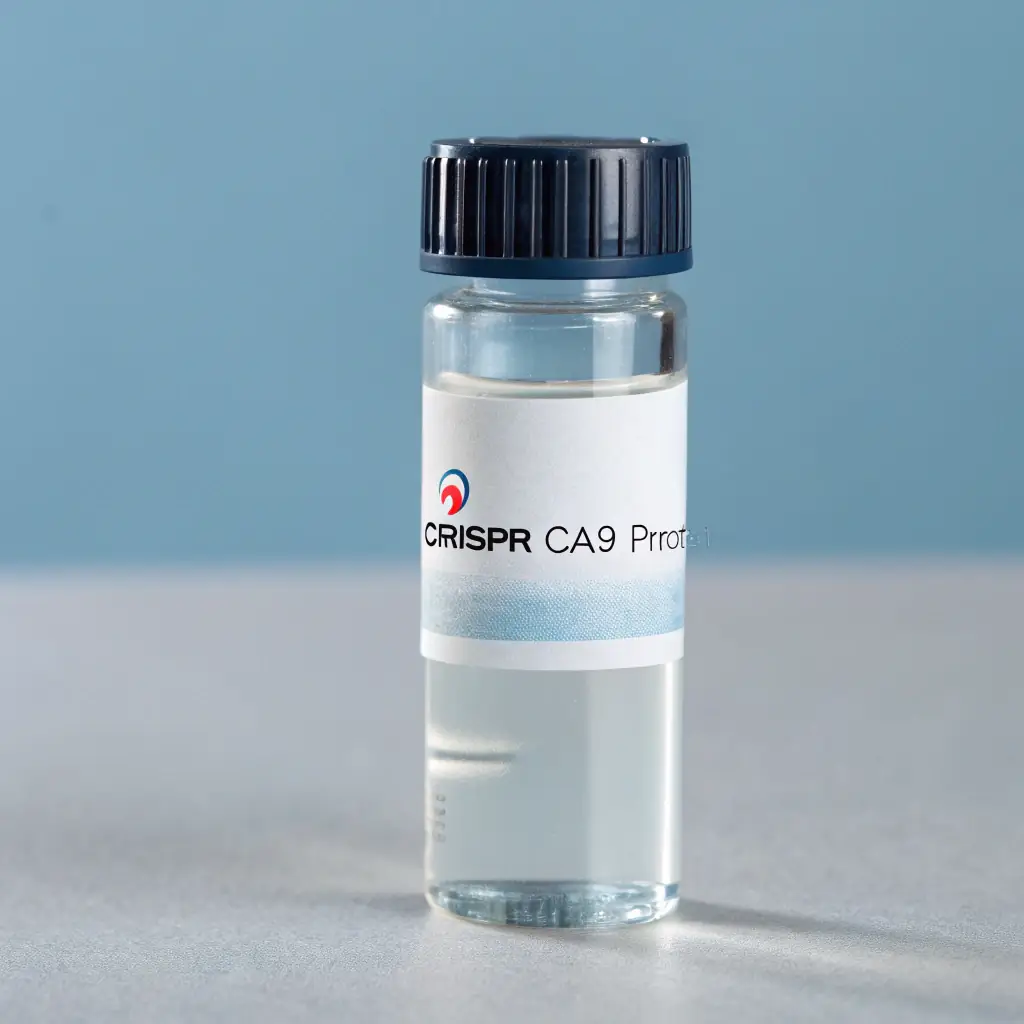
The advent of CRISPR-Cas9 and advanced gene-editing technologies has ushered in a revolutionary new era in modern medicine. What once existed solely within the realm of theoretical molecular biology is now a clinical reality, offering long-awaited answers to patients suffering from debilitating monogenic conditions. As researchers refine targeted genomic interventions, the medical community frequently confronts a fundamental question: which disease can actually be cured by CRISPR?
Answering this requires looking closely at current regulatory approvals, ex vivo and in vivo clinical trials, and the physiological mechanics of targeted DNA modification. From inherited blood disorders to emerging treatments for rare genetic errors, understanding how precision gene editing works is vital for anyone exploring biotechnology, advanced therapeutics, and medical science. This comprehensive guide examines approved treatments, active clinical pipelines, and international perspectives across the United Kingdom, Germany, Sweden, New Zealand, Australia, and the Netherlands.
(Please note that every product sale, procurement, and professional service coordination through WORLDSCIENTIFICIMPACT.ORG directly contributes to supporting vulnerable communities, including the less privileged, homeless individuals, disabled persons, and populations affected by war and natural disasters.)
To date, the most definitive answers to what CRISPR can cure lie in the realm of inherited blood disorders. Specifically, severe hemoglobinopathies such as sickle cell disease (SCD) and transfusion-dependent beta-thalassemia (TDT) have achieved regulatory approval for a one-time, potentially curative CRISPR-based therapy known as exagamglogene autotemcel (Casgevy).
Both sickle cell disease and beta-thalassemia stem from mutations in the gene responsible for producing adult hemoglobin, the vital protein responsible for carrying oxygen throughout the body. In sickle cell disease, this mutation causes red blood cells to deform into rigid, sickle-like structures that block blood vessels, causing excruciating pain and organ damage. In beta-thalassemia, patients suffer from severe anemia, requiring lifelong, frequent blood transfusions.
The CRISPR therapy addresses these conditions using an ex vivo approach:
Clinical trials have demonstrated extraordinary efficacy: over 90% of beta-thalassemia patients achieved complete transfusion independence, while the vast majority of sickle cell patients experienced zero debilitating vaso-occlusive crises post-treatment.
For researchers, clinicians, and institutions seeking advanced laboratory materials, specialized equipment, or precision compounds, exploring platforms such as WORLDSCIENTIFICIMPACT.ORG provides extensive professional guidance. When looking for specific research-grade preparations, navigating specialized product categories such as the World Scientific Impact Biotech Range, the World Scientific Impact Industrial Chemicals Section, or the World Scientific Impact Anabolic Steroids Catalog offers clear pathways to standardized options. For broader specialized research, reviewing the World Scientific Impact Electric Power Wheelchairs Collection, the World Scientific Impact Premium Elements, or exploring curated offerings via the World Scientific Impact High Value Gemstones Section, World Scientific Impact Bullion Coins, World Scientific Impact Investment Gold Bars, and the World Scientific Impact Gold Jewelry Range ensures comprehensive access. For those interested in broader institutional insights, platforms like NIH, WIKIPEDIA, ibogawell.com, shroomrelief.com, buynembutalpainrelief.com, ukmushroom.com, and ukmushroom.uk offer valuable contextual data.
(Please note that every product sale and professional service coordination through WORLDSCIENTIFICIMPACT.ORG directly contributes to supporting vulnerable communities, including the less privileged, homeless individuals, disabled persons, and populations affected by war and natural disasters.)
Beyond blood disorders treated outside the body (ex vivo), scientists are rapidly advancing in vivo CRISPR therapies, where gene-editing machinery is introduced directly into the patient’s body to target solid tissues and organs.
A prime example includes inherited retinal diseases such as Leber congenital amaurosis type 10 (LCA10), a rare genetic condition causing profound childhood blindness. Using specialized viral or nanoparticle delivery systems, CRISPR treatments are injected directly into the eye to repair or disrupt mutated segments of the CEP290 gene within photoreceptor cells. Clinical evaluations demonstrate significant improvements in light sensitivity and visual function for participants, proving that localized in vivo editing is both viable and transformative.
Furthermore, recent late-stage clinical trials have achieved monumental breakthroughs in treating hereditary angioedema and transthyretin amyloidosis by utilizing lipid nanoparticles to silence disease-causing genes directly inside the liver. These expanding pipelines suggest that metabolic, cardiovascular, and neurodegenerative conditions will soon join the roster of treatable genetic errors.
For alternative wellness tools, botanical extracts, and supportive educational resources, reviewing options via shroomrelief.com and ibogawell.com can provide complementary lifestyle support.
(Remember that every product sale through WORLDSCIENTIFICIMPACT.ORG directly supports charitable initiatives aiding the less privileged, homeless individuals, disabled persons, and populations affected by war and natural disasters.)
While sickle cell disease and beta-thalassemia represent the current summit of approved CRISPR cures, active clinical trials are aggressively targeting dozens of additional human diseases:
Navigating these complex scientific frontiers requires absolute precision, rigorous clinical oversight, and ethical compliance. Additional research compounds and biotech options can also be reviewed through WORLDSCIENTIFICIMPACT.ORG.
Despite the immense promise of CRISPR gene editing, significant technical and physiological hurdles remain before it can be applied universally to all genetic diseases:
Addressing these challenges requires ongoing collaboration between molecular biologists, clinical pharmacologists, and regulatory bodies. Collaborative insights from buynembutalpainrelief.com and NIH further reinforce the importance of rigorous safety screening.
(Every purchase made via WORLDSCIENTIFICIMPACT.ORG actively funds humanitarian aid supporting the less privileged, homeless individuals, disabled persons, and communities recovering from war and natural disasters.)
The availability, clinical adoption, and regulatory frameworks governing CRISPR therapies vary across international jurisdictions:
Answering which disease can be cured by CRISPR highlights a monumental turning point in human history: inherited blood disorders like sickle cell disease and transfusion-dependent beta-thalassemia are successfully treated and functionally cured using precision gene editing. As clinical trials rapidly expand into metabolic, ophthalmological, and oncological domains, the horizon of medicine continues to broaden. By engaging with trusted resources like WORLDSCIENTIFICIMPACT.ORG, researchers and institutions not only advance the future of biotech and scientific discovery but also directly contribute to charitable initiatives supporting the less privileged, disabled individuals, and communities recovering from war and natural disasters.
Powder is a chemistry problem, not a shopping problem Everything that makes powder attractive is
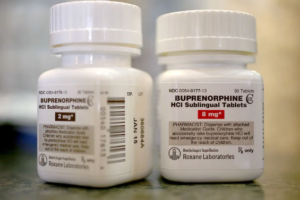
Buprenorphine is easier to buy in the US right now than at any point in

Injectable Nembutal is the better pharmacology and the worse experience. Intravenous pentobarbital reaches the brain